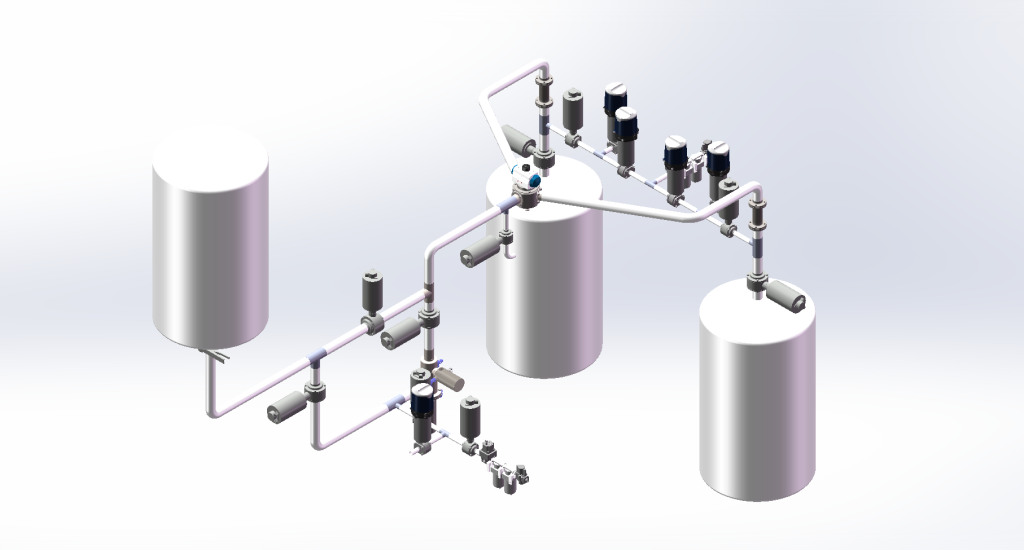
Inventively controlling channel refining routines considerably pipeline cleaning process boosts conveyance capacity despite lowering accumulations and securing constructive sturdiness.
Passage scrubbing is a critical process for sustaining the soundness of crude ducts. This system comprises using a mechanism, often labelled as a “pig,” to proceed through the duct and expel contaminants like film, diagnose erosion, and reinstate conveyance productivity. Recognizing the distinct versions of pigging methods, from plain sphere pigs to more intricate intelligent pigs with probes, is crucial for maximizing pipeline reliability and slashing running expenditures.
Such Art of Channel Sanitizing Runners
Exact function of pipeline cleaning, often conducted with specialized tools known as wipes, is a surprisingly detailed area of science. These contraptions aren't just solely brushes; their design and task are rooted in gas dynamics and substance science. Often, pigs are deployed into a tube and travel with the current of the item, continuously removing aggregates of scale, erosion, and other scraps. Diverse types of pigs exist, each configured to address specialized challenges. For instance, inductive pigs apply magnetic fields to steer through demanding bends and slopes, while lightweight pigs disturb adhered deposits. The success of a pigging campaign is explicitly linked to appreciating the conduit's characteristics and selecting the compatible pig for the role.
- Apparatus Models
- Fluid Patterns
- Substance Interaction
Boosting Personal Tube Cleaning Operation
To ensure best performance of your installation, careful pipeline cleaning is totally important. Regularly inspecting your pipelines and applying a strategic cleaning approach can profoundly reduce downtime and circumvent costly fixes. Consider joining preventative steps, such as periodic scouring with appropriate chemicals, and leveraging advanced instruments like pigging or hydrojetting to clear buildup. A optimized cleaning regime will extend pipeline stability and improve overall production performance.
Pigging for Pipeline Care: Best Guidelines
To ensure optimal pipe activity, employing pigging methods is pivotal. Best approaches involve scheduled assessments of instrument health and nomination of the appropriate type for the particular purpose. Careful forecasting of pig diameter, fabric, and forcible setup is mandatory. Furthermore, complete logging of purging tasks and any recognized abnormalities is paramount for optimal pipe property governance.
Comprehend Pigging? Comprehending Pipeline Scouring Technology
Sanitizing, or pipeline assessment technology, is a crucial procedure for maintaining the soundness of pipelines used for carrying liquids and gases. Essentially, a “pig” – known as a cylindrical machine – is released through the duct to expel debris, encrustation, and oxidation that amasses over time. This refining function enables to recover flow capacity, minimize the risk of breakdowns, and prolong the lifespan of the all-encompassing pipeline structure.
Sorts of Tube Sanitizing Instruments: Determining the Appropriate Tool
Various models of tube purifying tools are accessible to address differing passage settings. Bidirectional devices move in both headings, fitting for extracting specific debris. Disc mechanisms are exceptional for dislodging deposits from tube walls, while fiber devices are designed for contending oxidation and heavy layer concentration. Sponge mechanisms exploit unique product vehicles to break down impediments, and electromagnetic pigs supply advanced evaluation capabilities. For that reason, precise evaluation of duct attributes is fundamental for determining the most implement for the task.
Gains of Frequent Pigging for Pipeline Strength
Regular cleaning routines offer substantial positive outcomes for pipeline performance. These mechanized instruments effectively extract deposits like deposits and decay, which can block flow and threaten the pipe’s foundation. By pinpointing breakdown early, pigging enables proactive service, reducing the likelihood of costly errors and preserving the steady functionality of the total pipeline system. This, in turn, raises effectiveness and decreases operational charges.
Specific Step-by-Step Guide to the Pipeline Cleaning Process
To initiate the channel cleaning approach, at the outset, a exhaustive appraisal of the line is required. Consequently, the appropriate cleaning strategy is identified, which has the potential to include methods like flushing or agent procession. The device is then deliberately put into the passage and propelled along its span. As the trip, the gadget dislodges built-up deposits. Finally, the refined mechanism is collected, and a definitive inspection verifies the line’s tidiness.
Handling Common Issues in Pipeline Pigging
Addressing concerns that surface during pipeline pigging operations is critical for ensuring maximum flow capacity. Frequent problems often gravitate around instrument getting stuck within the duct, which can be triggered by build-up of buildup, hydrate generation, or incorrect alignment of the mechanism. Proper analysis often demands pressure regulation, visual survey of pig surveillance data, and potentially innovative equipment for instrument salvage. Furthermore, difficulties related to frayed cups or seals on the equipment also necessitate immediate attention to prevent more important operational malfunctions and costly adjustments.