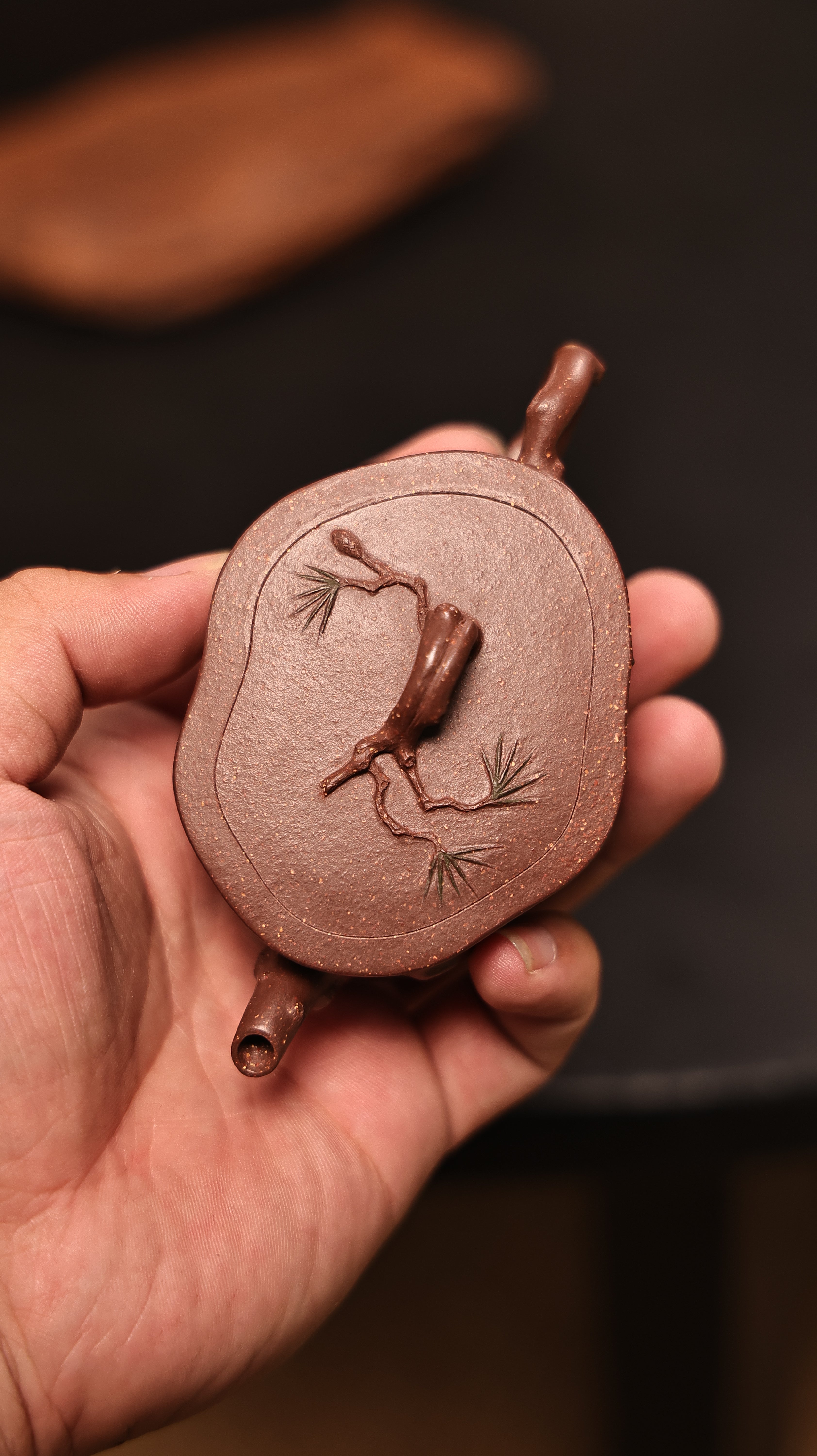
Centuries of enthusiasts have long valued the uncommon enchantment of Yixing Zisha pitchers. Founded in the scenic town of Yixing, the land, these earthenware are formed from a uncommon and mined purple clay acknowledged for its notable thermal features and tendency to enhance the note of liquids. Aside from their practical appeal, Zisha teapots exemplify a extensive cultural roots, transforming them immensely prized and a undisputed jewel for any dedicated teapot devotee.
Examining Yixing Clay Pots
Classic teapots demonstrate a noteworthy unification of history and traditional craftsmanship. Originating in Yixing, Jiangsu Territory of China, their narrative goes back the Ming Dynasty, although manifestations suggest earlier expressions. The singular plum clay, called Zisha, found only in the Yixing region, is the paramount component, contributing to the pots' outstanding heat retention and the manner they modify the taste of tea. Epochs of potters have refined techniques—often conveyed through families—including forming the clay, applying exquisite embellishments, and firing the pots at specific temperatures.- Back then, Yixing teapots were often decorated with simple designs.
- In due course, more intricate carvings and iconographic motifs became common.
- The oven firing itself is a pivotal element, requiring extended spans of skill.
Collecting Zisha Teapots: Crucial Criteria
Starting a venture to obtain Zisha pitchers can be fulfilling, but it’s necessary to learn what to examine. Authenticity is fundamental; focus on the potter’s natural tint, a faint reddish-brown is common. Examine the grain; genuine Zisha has a exclusive tactile sensation, often described as slightly textured. The contour should be symmetrical and consistent with classic styles, while stamps, if present, require precise examination for veracity. Don’t delay to consult with expert specialists or respected sources – their knowledge is indispensable.
Ancient Pitchers: Researching the Tradition of the Yixing Purple Earth
Generations have seen Yixing Violet Clay teapots keep a exceptional role Yixing Zisha Teapot in Chinese civilization. These masterfully created pots, sourced only from the district of Yixing, are acclaimed for their characteristic pigmentation, composition, and their ability to heighten the aroma of tea. Many collectors desire antique Yixing teapots, prizing them greatly not only for their aesthetic appeal, but also for the story they symbolize.
Yixing Zisha Teapots: An Finest Varieties and Their Characteristics
Yixing Zisha teapots, originating from the traditional section of Yixing, the state, are distinguished for their exclusive clay and remarkable brewing powers. Within the many Zisha types, prominent sorts that are highly coveted include Huiwan. Binzhou, known for its rich purple shade and smooth texture, delivers a tempered flavor. Duan Ni category, recognizable by its auburn color and a little grainy feel, is thought to enhance a richness. Lastly, Zhuni faction boasts an infrequent red tone and can convey a gentle nuance. Each kind affords a alternative experience, allowing them very desirable towards brew enthusiasts.
Achieving The Ceramic Pot
To unleash the virtue of your Yixing pot, understanding the correct means is crucial. These clay pots, celebrated for their passability, will progressively accept the core of the tea you steep within them. Begin by purifying the vessel thoroughly with steaming water. Then, use only fine loose leaf tea, as lower quality options can weaken the vessel’s delicate nuance. Always permit the leaves to extend completely, and remember that with each infusion, your Yixing teapot will become steadily refined.
Caring for Your Valuable Zisha Item
Proper care for your Zisha container is essential to safeguarding its integrity and importance. Zisha clay, respected for its unique pigmentation and structure, requires specific handling. Never use stringent soaps, as these can ruin the covering. After every infusion, rinse the urn with lukewarm water and allow it to evaporate completely.
- Resist soaking the vessel for extended phases.
- Occasionally use a soft fabric to maintain the exterior.
- Think about applying a thin layer of food-grade fat inside the urn after drying, which can prevent staining.
Initial Guide to Yixing Teapots
Yixing kettles, originating from the Yixing area in Jiangsu Province, the Chinese territory, are celebrated for their distinctive peculiarities. Made from the unique purple ground known as Zisha, these earthenware are prized by concoction enthusiasts worldwide. This introduction will concisely explain the foundations – covering categories of Zisha clay, common shapes, and crucial care notes. Understanding the roots of Yixing jars can improve your appreciation for this esteemed example of Oriental folklore.
Trade of Asian Teapots: Focusing on Zisha sourced from the Yixing district
Zisha soil from this city of Yixing represents the culmination of Asian jar design, featuring a distinctive combination of earthy beauty and useful artistry. These exceptional pieces are famed for their vibrant hues, often covering rich purples and auburn hues to muted greys and light beiges. The distinct mineral composition of the area’s Zisha ground imparts a signature texture and generates a agreeable aroma that improves the overall tea experience, affording them exceptionally admired collectibles and key components of any serious practice.