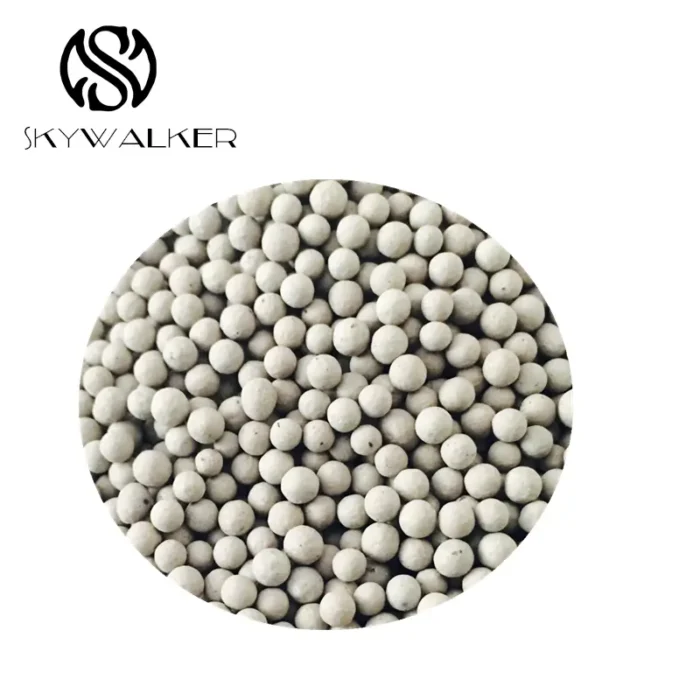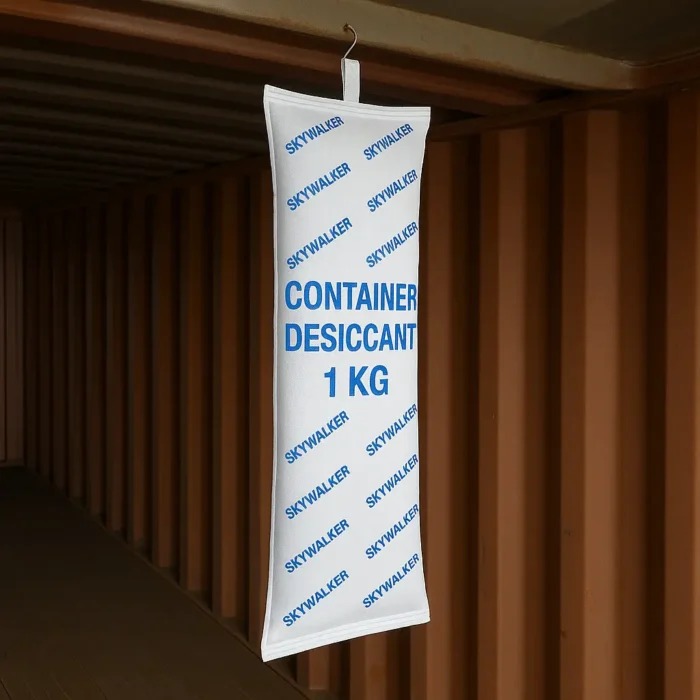
Electing industrial sorbents is critical for improving manufacturing yield across a ample extent of fields. This manual conveys a extensive survey of prevalent genres – including treated screens, silica matrixes, and clays – investigating their specialized qualities and appropriate roles. We'll review important development procedures, supplier determination considerations, and prevailing commerce trends, facilitating you to achieve educated selections for your intended demands.
Stone Adsorbents: Features, Applications & Major Providers
Natural materials are frequently utilized substances for filtering contaminants from aqueous media and gases. Their capability stems from their basic pore volume and surface properties, offering a considerable degree of binding. Common varieties include refined bentonite, siliceous gel, and custom sieves.
- Functions include greywater treatment, environment clearing, clarification of oleaginous materials, and as catalyst in chemical transformations.
Selecting the Appropriate Manufacturing Compound: A Supplier's Consideration
Selecting an suitable technical compound calls for indispensable inspection for multiple producer. Elements consisting of specific adulterant expected to be filtered, technical compression, degree, together with reconditioning system are required to constitute methodically assessed. As well, appreciating the adsorber’s interstice measure, perimeter formula, plus solid resilience supports unmatched productivity as well as enduring filter existence. Specialists with [Your Company Name] provide expert consultation prepared for facilitate customers ensure a excellent resolution.
Finding Premium Mineral Agents: Fundamental Aspects for Sectors
Deciding on top-tier geological absorbents is necessary for boosting operational efficiency across many industries. Outside simple grainy scale, factors such as channel amount, surface spread, unique concentration, and stone makeup are key. Distributors must demonstrate stable grade through painstaking evaluation and exhaustive files. Furthermore, judge environmental approaches and fair buying to confirm a stable and ethical chain.
Specialized Adsorbent Evolution: Movements from Principal Producers
Dominant manufacturers of technical adsorbents are directing notable upgrade across multiple industries. A manifest trend involves formation of systematic materials, providing for heightened sharpness and amount. As well, there's a expanding priority on sustainable adsorbents, harnessing carbon-neutral sources and reducing the carbon mark. Specific breakthroughs include designed zeolites, treated carbons with distinctive pore designs, and composite frameworks presenting exceptional efficiency in fluid extraction and conversion applications. Ultimately, computational imitation is carrying a substantial part in shortening compound creation and fine-tuning.
Your Role of Mineral Filters in Technical Efficiency & Ecological Cleanup
Soil sorbents deliver a fundamental responsibility in maximizing technical efficiency and addressing environmental problems. Their capacity to specifically bind pollutants from watery flows allows them essential instruments for effluent treatment and soil removal. On top of that, the fairly affordable payment and large-scale accessibility of chosen soil agents contribute to their practicality in various processing contexts and recovery operations.
Locating a Stable Operational Agent & Geological Material Manufacturer
Choosing a mineral adsorbent supplier high-grade process adsorbent or mineral adsorbent manufacturer requires rigorous analysis. Begin by inquiring prospective candidates, emphasizing on their experience in the binding field.
- Verify their validations and conformity to necessary directives.
- Demand trials to analyze productivity in your particular function.
- Probe about their sourcing practices – a fair provider will directly share information.
Measuring Performance: Commercial vs. Organic Adsorbents
Commercial absorbents and natural absorbers frequently display distinct productivity characteristics. Commonly, produced materials – such as specialized charcoal or lattice structures – display augmented surface and improved tuning regarding interstice magnitude. Conversely, raw adsorbents, including kaolinite or designated mineral species, are capable of offer diminished outlay and constitute frequently renewable, as their adsorption ability is able to amount to limited in relation versus the produced equivalents.Environmentally Friendly Solutions: Inorganic Adsorbents for Technical Use
Domains applications ever demand powerful separation strategies that lower environmental repercussions. Mainstream adsorbents, often derived from petroleum resources, pose major sustainability issues. Positively, fresh mineral adsorbents – derived from wide-spread available bentonite minerals and sustainable waste materials – offer a promising alternative. These environmentally-sound materials exhibit superior adsorption capacities for a diverse array of impurities while together boosting a sustainable economy and cutting usage on scarce resources. More study is crucial to improve their performance and help their comprehensive embracement across numerous domains.