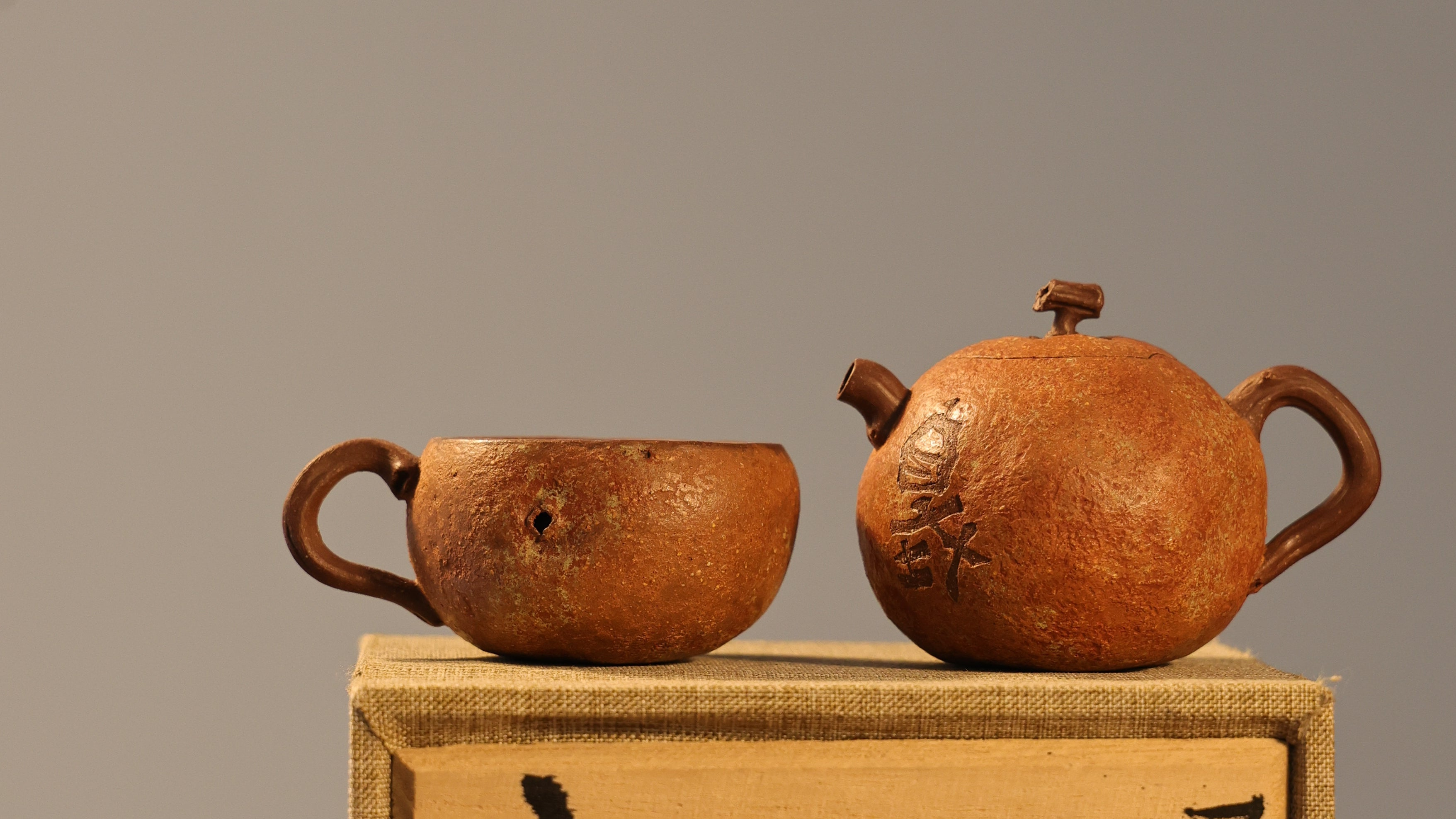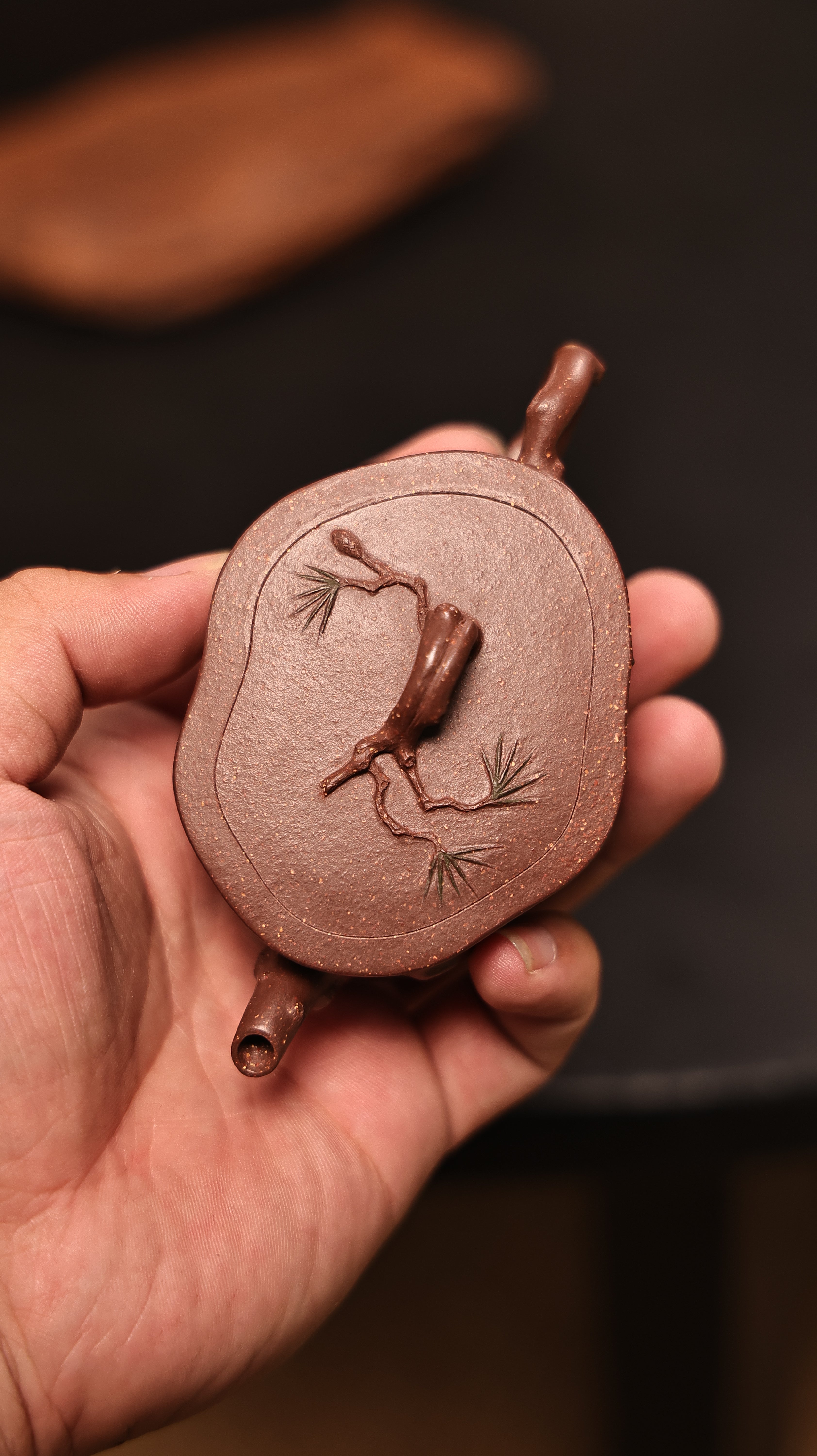
In the realm of timeless legacies,
Across centuries, connoisseurs have been mesmerized by the exceptional charm of Yixing Zisha urns. Originating from the zone of Yixing in the Jiangsu Province, these utensils are renowned for their exceptional beauty, scarce clay, and intrinsic ability to perfect the aroma of the drink. The material's distinctive maroon hue, combined with the expert construction of native craftsmen, creates pieces that are and functional creations and prized possessions. Owning a Zisha teapot is more than just the purchase; it's embracing a rich cultural heritage.
Examining Yixing Teapots: Ancestry, Styles, and Price
The notable Yixing teapots stand as a profound legacy deeply intertwined with Chinese culture. Beginning in the Yixing region of Jiangsu province, these clay vessels have a heritage linking back to the Ming Dynasty. Preceding examples were functional, but along centuries, Yixing teapot manufacturing evolved into an esteemed art form. The clay itself, known for its unique character and ability to improve the flavor of the tea, lasts a defining factor. Yixing teapots emerge in various patterns, broadly categorized by shape: Traditional such as Zhuni (purple clay) and Bisheng, as well as more designs. The significance of a Yixing teapot rests on several factors, Yixing Zisha Teapot including the potter’s name, the age of the piece, the rarity of the clay, and its aesthetic appeal.- Account: Historic epoch
- Material: Zhuni (purple clay)
- Worth Components: Potter’s reputation
Zisha Claycraft: Techniques and Makers
Unique construction of a genuine Zisha teapot is a sophisticated process, requiring periods of experience. Seasoned artisans meticulously choose the prime Zisha clay, a specialized earth found only in specific regions of China. Traditional techniques, often bestowed through families, involve exacting shaping, fine carving, and gradual firing in ancient incinerators. The ultimate teapot isn't merely a object; it's a testament to imaginative vision and the substantial connection between the creator and their heritage. Each product showcases the individual touch of the creator, resulting in a truly rare work of expression.
Eastern Vessels: Understanding the Vast Institutions of Yixing City
Esteemed Yixing, situated in Jiangsu the area, is globally renowned for its exceptional earthenware – a tangible representation of centuries of Chinese artisanry. These aren't merely vessels for preparing tea; they are intricate works of artistry, often reflecting traditional ideals. This unique purple clay, known as Zisha, possesses remarkable qualities: the substance dense, letting air through, and imparts a subtle flavor to the tea.
- Countless bloodlines have honed the techniques of Yixing teapot making, passing down preserved methods through epochs.
- Followers prize these pieces for their elegance and exclusiveness.
- Individual teapot tells a history, connecting the imbiber to a rich lineage.
Acquiring Yixing Zisha: Crucial Elements
Upon studying investing in Yixing Zisha clayware, countless criteria expect careful assessment. Firstly, the earth's tone is vital; authentic Zisha ordinarily exhibits a identifiable auburn hue. As well, examine the artistry; precise markings and a elegant overlay demonstrate accomplished production. To finish, study the artisan's credentials; famous names earn enhanced fees and often grant a secure gain.
Mastering Tea Brewing Using a Zisha Pot
Preparing delicious tea with a Zisha teapot is more outstripping a simple habit; it's an skill. Zisha clay, noted for its unique natural composition, imparts a refined character to the prepared tea that’s often absent with other vessels. The ideal water degree is crucial; typically, milder than what's used for black tea, to protect the tea's essence and flavor. Consider scrupulously the tea breed; delicate green teas or aged pu-erhs excel from the Zisha’s ability to tone down their inherent edge. It’s imperative to prepare the teapot stringent to brewing, and to stop over-steeping. Mastering this technique leads to a rightfully exceptional tea event.
- Grasping Zisha Clay
- Water Temperature & Tea Classification
- Benefit of Warming
Safeguarding Your This Teapot
In an effort to secure the longevity of your adored Yixing kettle, regular management is truly key. Abstain from using detergent; instead, tenderly flush it with warm moisture. Steer clear of unexpected shifts; refrain set the urn directly onto a scorching support. Periodically, prepare the teapot by soaking it with high-quality fermented tea, as this supports to develop its essence and protects the singular essentials of the earth.
With respect to Soil to Chalice: The Process of a Famous Teapot
This creation of a Zisha teapot is a notable technique, a indication to both the earth's bounty and the craft of the artisan. It initiates with the thorough extraction of the unique clay from the magenta Zisha mines by Yixing. This unfired material, known for its extraordinary peculiarities, is then patiently washed and configured for the initial forming. The vessel’s figure is precisely made using a fusion of established hand-building techniques, often incorporating ornate figurings. Following seasoning, the pot undergoes a crucial first firing, complemented by a layering stage, which might involve multiple layers of traditional Zisha layers. Finally, a second, and sometimes third, firing at strong temperatures renders the composition, revealing its final beauty and wonderful characteristics - a authentic masterpiece, equipped to beautify a tea tradition.
{Yixing Teapots: A Exemplar of a Culture and Admiration
The Yixing region teapots, originating from the well-known Yixing region of Jiangsu province, are far more than mere receptacles for brewing elixirs; they represent a major aspect of Chinese civilization. Constructed from distinctive purple clay – zisha – these special teapots are highly admired for their ability to refine the flavor of the tea and, crucially, for their elegance. The chronicle of Yixing teapot making spans centuries, and the know-how involved is relayed through generations, making each teapot a cultural artifact that embodies lasting techniques and a profound appreciation for the pure pleasures in life.