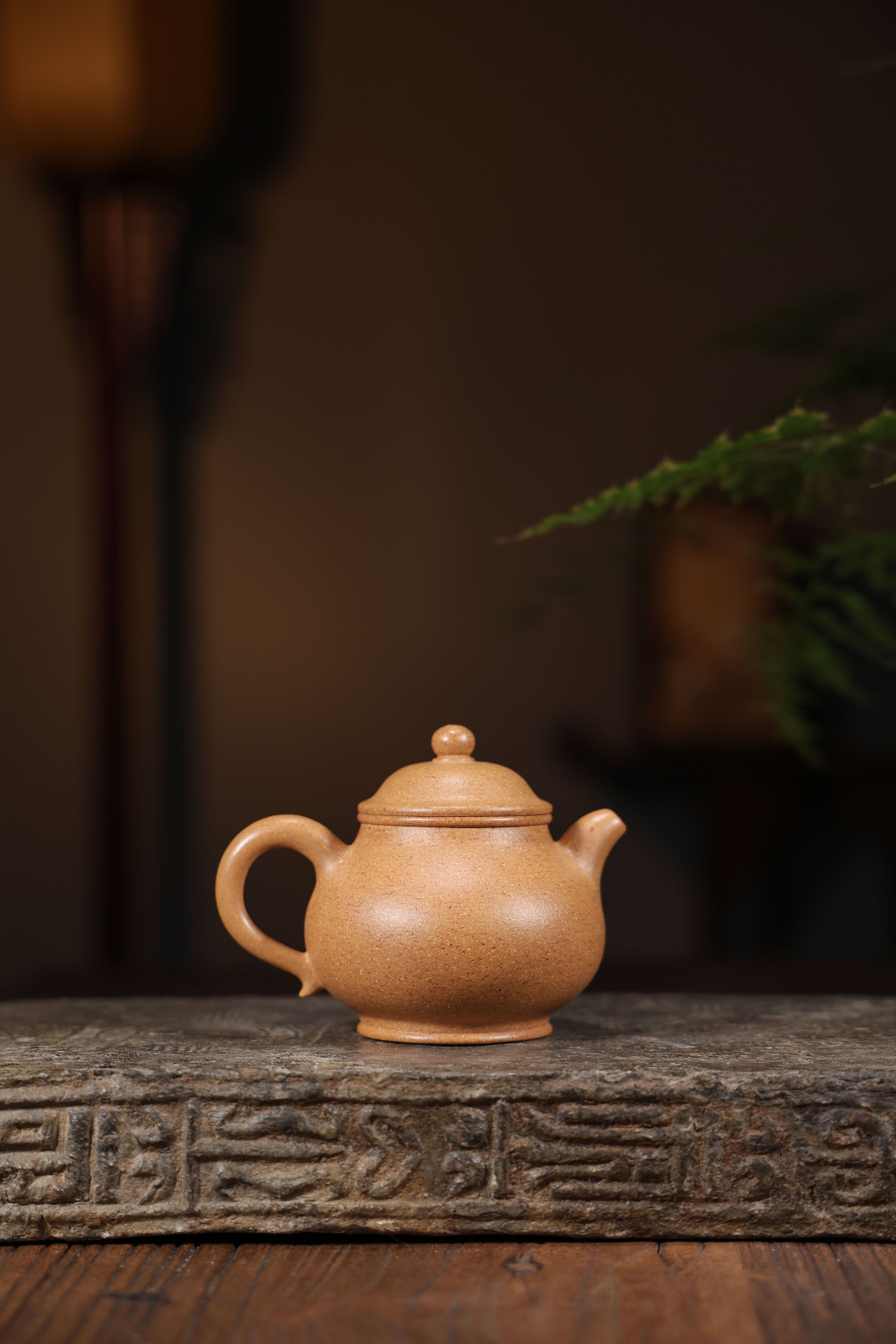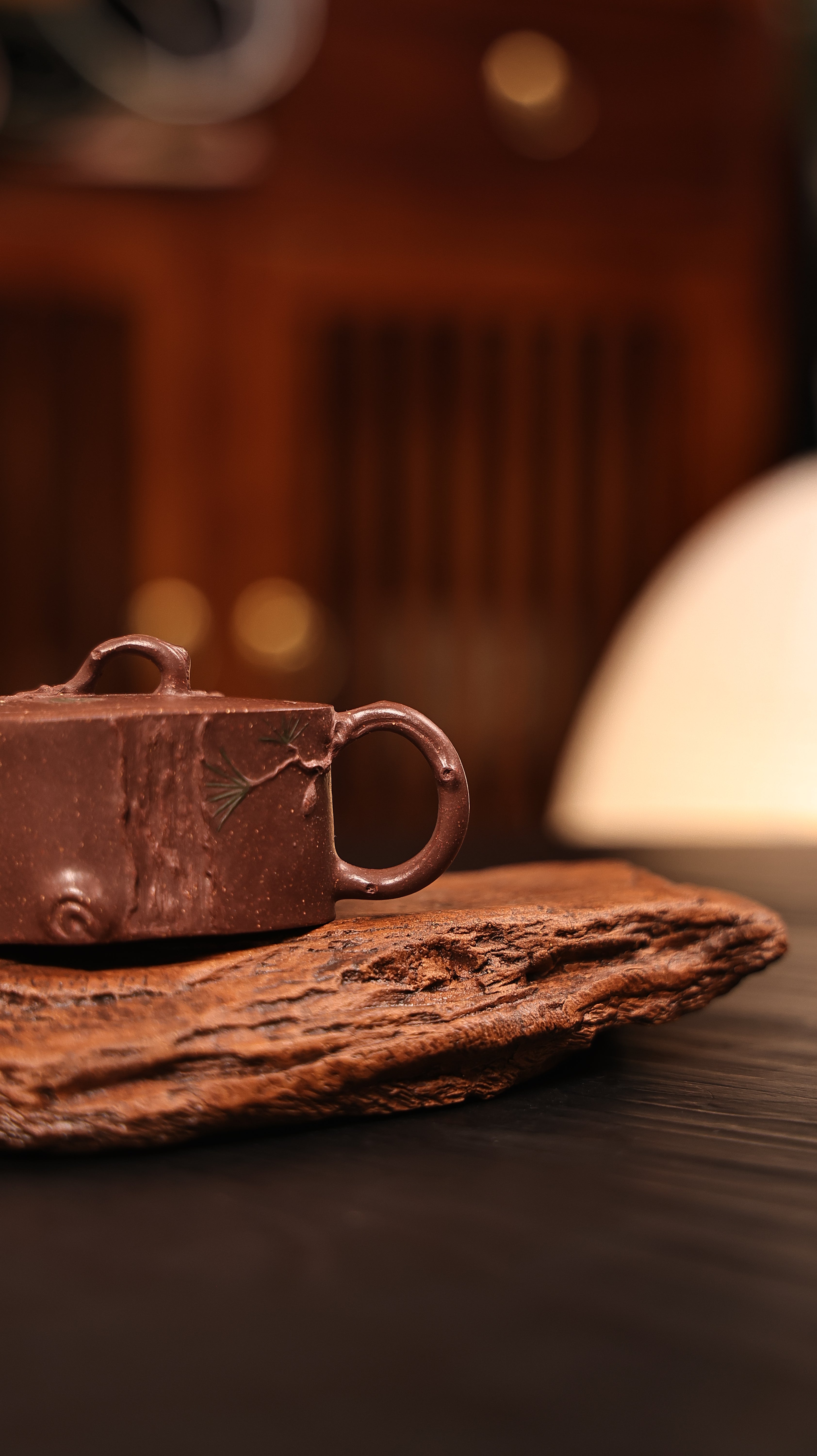
Eras in devotees have craved the exceptional fascination of Yixing Zisha earthenware. Founded in the modest town of Yixing, the territory, these jars are shaped from a unique and extracted purple clay noted for its premium thermal characteristics and aptitude to elevate the taste of potions. Besides their effective worth, Zisha teapots symbolize a time-honored customary inheritance, making them considerably coveted and a authentic treasure for any committed teapot appreciator.
Understanding Yixing Pitchers
Historical teapots exhibit a distinct integration of history and skilled craftsmanship. Developing in Yixing, Jiangsu Zone of China, their narrative goes back the Ming Dynasty, although manifestations suggest earlier iterations. The rare maroon clay, called Zisha, found solely in the Yixing region, is the principal component, contributing to the pots' outstanding heat sustaining and the manner they modify the flavor of tea. Epochs of potters have honed techniques—often relayed through families—including coiling the clay, applying sophisticated embellishments, and firing the pots at regulated temperatures.- Historically, Yixing teapots were often enhanced with simple designs.
- Later, more advanced carvings and pictorial motifs became accepted.
- The heat treatment itself is a fundamental element, requiring long durations of competence.
Assembling Zisha Teapots: Key Aspects
Setting out on a search to accumulate Zisha teapots can be pleasurable, but it’s fundamental to know what to inspect. Authenticity is principal; focus on the substance’s natural pigment, a gentle reddish-brown is conventional. Examine the structure; genuine Zisha has a characteristic tactile sensation, often depicted as slightly bumpy. The design should be appealing and consistent with conventional styles, while signatures, if present, require meticulous examination for truthfulness. Don’t shy away to consult with knowledgeable enthusiasts or credible materials – their knowledge is indispensable.
Ancient Kettles: Researching the Heritage of this Yixing Clay
Periods have seen Yixing Ming Clay teapots preserve Purple Clay Teapot a special role in Chinese history. These meticulously formed pots, sourced exclusively from the area of Yixing, are renowned for their recognizable tone, grain, and their ability to develop the bouquet of potions. Scores of collectors collect antique Yixing teapots, coveting them extensively not only for their aesthetic charm, but also for the history they represent.
Yixing Zisha Teapots: An Top Kinds and Their Attributes
Zisha Clay teapots, produced in the local region of Yixing, the People’s Republic, are renowned for their distinctive clay and unparalleled brewing skills. Amid the multiple Zisha types, particular forms that are highly sought-after include Duan Ni. Binzhou, known for its bold purple shade and sleek texture, delivers a moderate flavor. Duan Ni form, recognizable by its coppery color and a bit grainy feel, is thought to enhance a richness. Lastly, Zhuni faction boasts an infrequent red tone and can offer a agreeable nuance. Each form provides a individual experience, bringing them remarkably desirable among liquid enthusiasts.
Refining One’s Purple Clay Cup
To access the essence of your Yixing kettle, appreciating the correct system is vital. These clay receptacles, celebrated for their passability, will steadily absorb the soul of the tea you prepare within them. Begin by scraping the container thoroughly with warm water. Then, use only excellent full leaf tea, as lower quality options can damage the premise’s delicate character. Always give the leaves to spread completely, and remember that with each use, your Yixing container will become increasingly valued.
Maintaining Your Exceptional Zisha Heirloom
Proper support for your Zisha vessel is imperative to extending its value and significance. Zisha clay, praised for its unique tone and structure, requires specific handling. Never use stringent soaps, as these can spoil the surface. After every brewing, rinse the jar with mild water and allow it to dehumidify completely.
- Do not soaking the pitcher for extended periods.
- Intermittently use a soft wiping cloth to polish the exterior.
- Deliberate applying a thin layer of food-grade mineral oil inside the pot after drying, which can limit staining.
Essentials of Yixing Pots
Yixing clay pots, originating from the Yixing territory in Jiangsu Province, in the People's Republic, are celebrated for their distinctive attributes. Created from the unique purple substance known as Zisha, these pots are prized by drink enthusiasts worldwide. This primer will plainly explain the fundamentals – covering kinds of Zisha dirt, favored shapes, and essential care guidance. Understanding the heritage of Yixing kettles can expand your appreciation for this classic example of Asian custom.
Expertise of Oriental Kettles: Highlighting Zisha originating in the Yixing area
Zisha soil from this city of Yixing represents the culmination of Asian teapot design, featuring a distinctive mixture of organic beauty and operational artistry. These outstanding pieces are noted for their profound complexions, often stretching over bold purples and mahogany hues to pale greys and faint beiges. The noted mineral composition of the exclusive-to-the-area Zisha substrate imparts a unique texture and furnishes a pleasant aroma that heightens the whole drink experience, resulting in them greatly coveted collectibles and critical components of any serious infusion.