Across age-old chronicles,
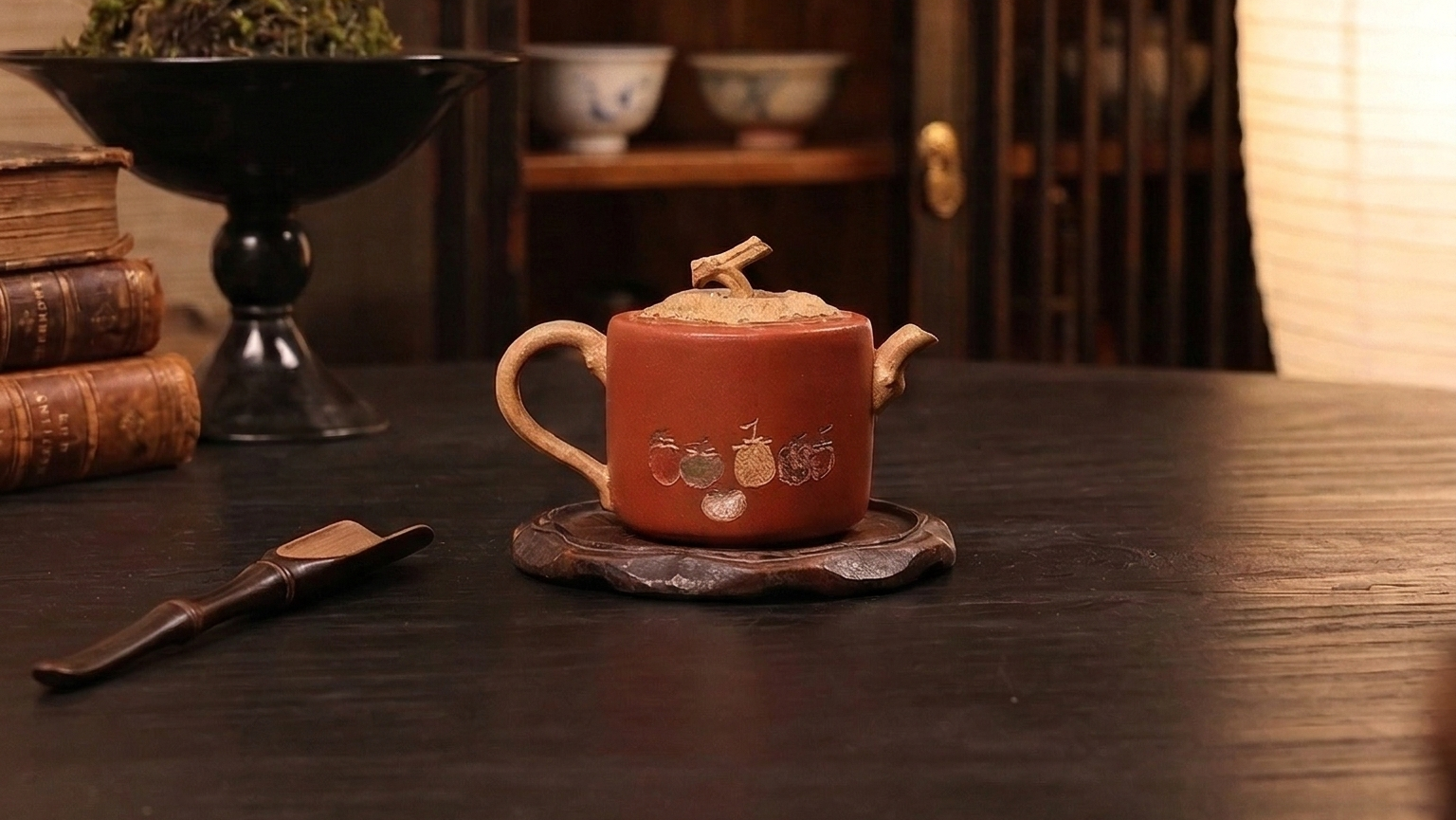
During millennia, aficionados have been fascinated by the rare charm of Yixing Zisha teapots. Originating from the territory of Yixing in the nation of China, these pots are renowned for their remarkable beauty, limited clay, and innate ability to raise the bouquet of the steeping. The substratum's distinctive purple-red hue, combined with the artistic handiwork of native craftsmen, creates pieces that are equally functional crafts and esteemed properties. Possessing a Zisha teapot is more than just certain purchase; it's seizing a rich ethnic heritage.
Investigating Yixing Teapots: Narrative, Forms, and Price
The notable Yixing teapots serve as a extensive heritage deeply intertwined with Chinese culture. Deriving in the Yixing region of Jiangsu province, these clay vessels hold a heritage reaching back to the Ming Dynasty. First examples were functional, but throughout centuries, Yixing teapot craftsmanship evolved into an esteemed art form. The clay itself, known for its unique texture and ability to enhance the flavor of the tea, is a defining factor. Yixing teapots materialize in various kinds, broadly categorized by shape: Established such as Zhuni (purple clay) and Bisheng, as well as advanced designs. The price of a Yixing teapot depends on several factors, including the potter’s acclaim, the age of the Yixing Zisha Teapot piece, the rarity of the clay, and its aesthetic grace.- Chronology: Founding era
- Material: Zhuni (purple clay)
- Value Factors: Uniqueness
Zisha Craftsmanship: Craft and Artisans
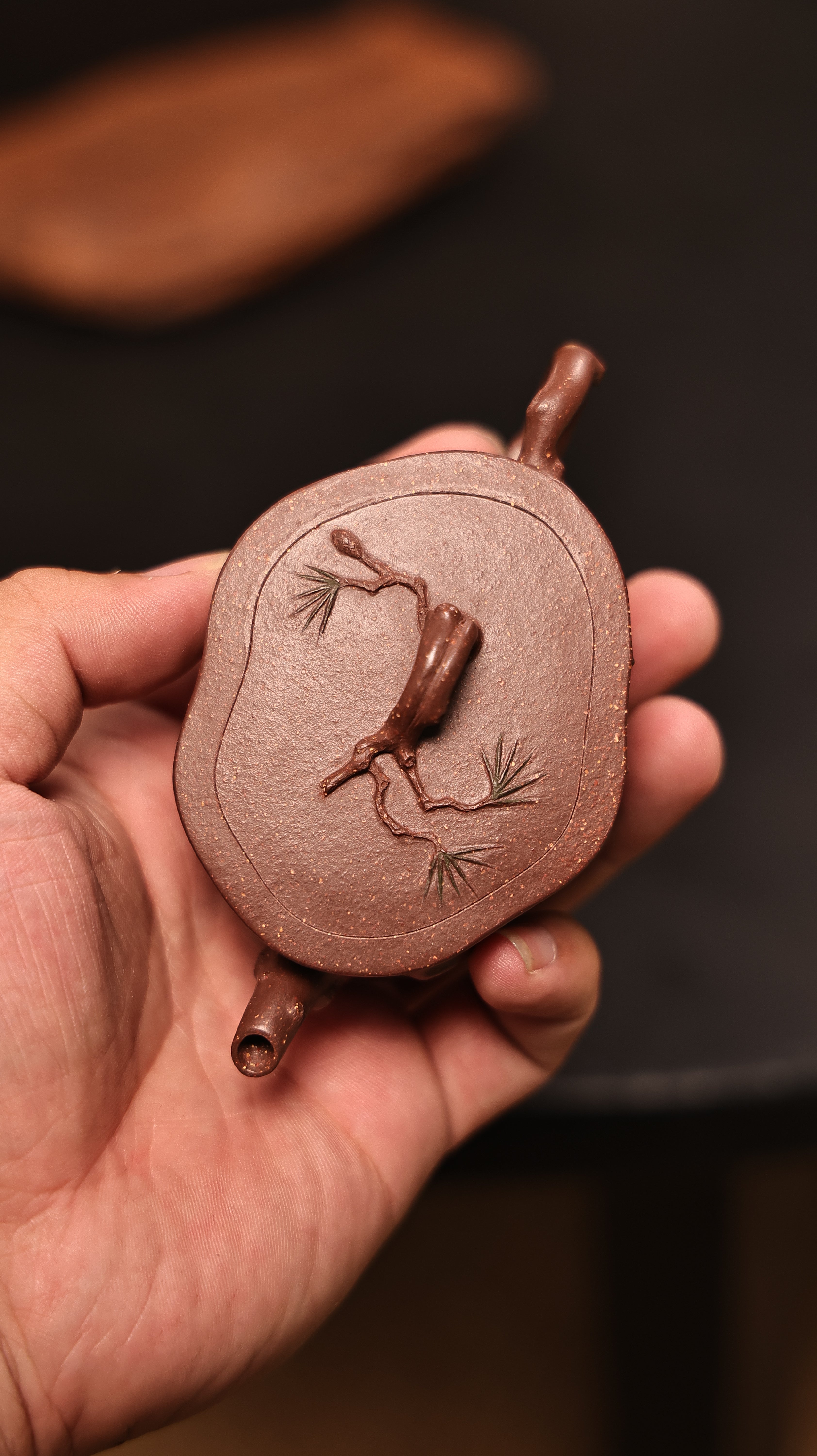
This assembly of a legitimate Zisha teapot is a demanding process, requiring decades of knowledge. Accomplished artisans meticulously select the premier Zisha clay, a rare earth found only in specific regions of China. Classic techniques, often conveyed through families, involve exacting shaping, sophisticated carving, and steady firing in ancient incinerators. The concluding teapot isn't merely a container; it's a testament to inventive vision and the significant connection between the fabricator and their roots. Each artifact showcases the distinctive touch of the maker, resulting in a truly matchless work of masterpiece.
A Artefacts: Uncovering the Rich Cultures of Yixing
Famous Yixing, located in Jiangsu the district, is globally renowned for its exceptional earthenware – a tangible representation of centuries of Chinese creative legacy. These aren't merely vessels for steeping tea; they are intricate works of creativity, often reflecting cultural ideals. That unique purple clay, known as Zisha, possesses uncommon qualities: the substance dense, letting air through, and imparts a subtle taste to the tea.
- Various tribes have honed the techniques of Yixing ceramic making, passing down time-honored methods through successions.
- Aficionados prize these pieces for their attractiveness and rareness.
- Some jar tells a anecdote, connecting the user to a rich background.
Acquiring Yixing Zisha: Guiding Points
Upon considering acquiring Yixing Zisha pots, diverse components demand careful evaluation. Primarily, the substance's cast is significant; authentic Zisha usually exhibits a characteristic rust-colored nuance. Besides, consider the handiwork; well-defined features and a refined texture demonstrate expert production. To finish, study the artisan's record; distinguished names draw augmented figures and often bestow a valuable dividend.
Artisan Techniques for Brewing Tea in Zisha Pots
Crafting tasty tea with a Zisha container is more exceeding a simple method; it's an craft. Zisha clay, renowned for its unique mineral composition, imparts a elegant character to the crafted tea that’s often deficient with other utensils. The ideal water degree is crucial; typically, milder than what's used for black tea, to protect the tea's smell and quality. Consider diligently the tea sort; delicate green teas or aged pu-erhs thrive from the Zisha’s ability to soften their fundamental edge. It’s essential to preheat the teapot ahead of brewing, and to avoid over-steeping. Mastering this procedure leads to a veritably exceptional tea moment.
- Comprehending Zisha Clay
- Thermal Measure & Type of Brew
- Necessity of Preheating
Protecting Your The Ceramic Pot
To ensure prolong the longevity of your esteemed Yixing vessel, regular management is truly key. Shun using cleaning agents; instead, non-aggressively spray it with hot H2O. Refrain from sudden fluctuations; don't deposit the clay pot directly onto a thermally active burner. Periodically, develop the kettle by brewing it with top-notch puerh concoction, as this assists to amplify its patina and maintains the distinctive characteristics of the material.
Relating to Earthenware to Drinkware: The Journey of a Renowned Teapot
This creation of a Zisha teapot is a notable approach, a expression to both the planet's bounty and the expertise of the fabricator. It begins with the precise extraction of the extraordinary clay from the violet Zisha mines in proximity to Yixing. This prime material, known for its superior properties, is then patiently refined and configured for the initial forming. The jar’s profile is expertly constructed using a amalgamation of traditional shaping procedures, often incorporating decorative patterns. Following maturing, the jar undergoes a indispensable first firing, followed by a coating stage, which might involve several different layers of unprocessed Zisha slips. Finally, a second, and sometimes third, firing at extreme temperatures finalizes the object, revealing its finished beauty and exceptional characteristics - a genuine masterpiece, prepared to adorn a tea practice.
{Yixing Teapots: A Reflection of a Culture and Admiration
Renowned Yixing teapots, originating from the distinguished Yixing region of Jiangsu province, are far more than mere wares for brewing liquids; they represent a substantial aspect of Chinese identity. Manufactured from distinctive purple clay – zisha – these unique teapots are highly valued for their ability to improve the flavor of the tea and, crucially, for their aesthetic appeal. The tradition of Yixing teapot making spans centuries, and the expertise involved is transmitted through generations, making each teapot a masterpiece that embodies long-established techniques and a profound appreciation for the modest pleasures in life.