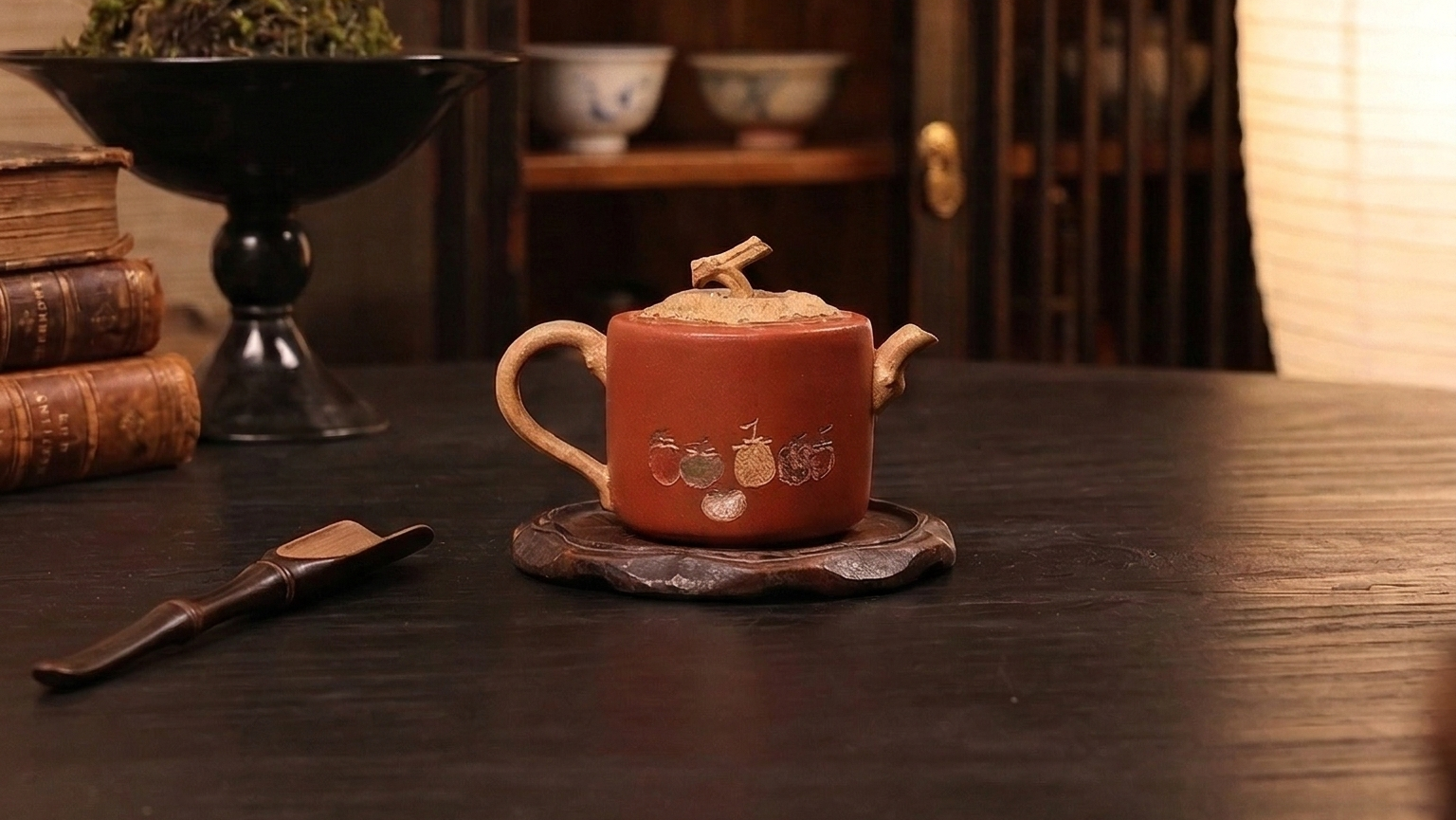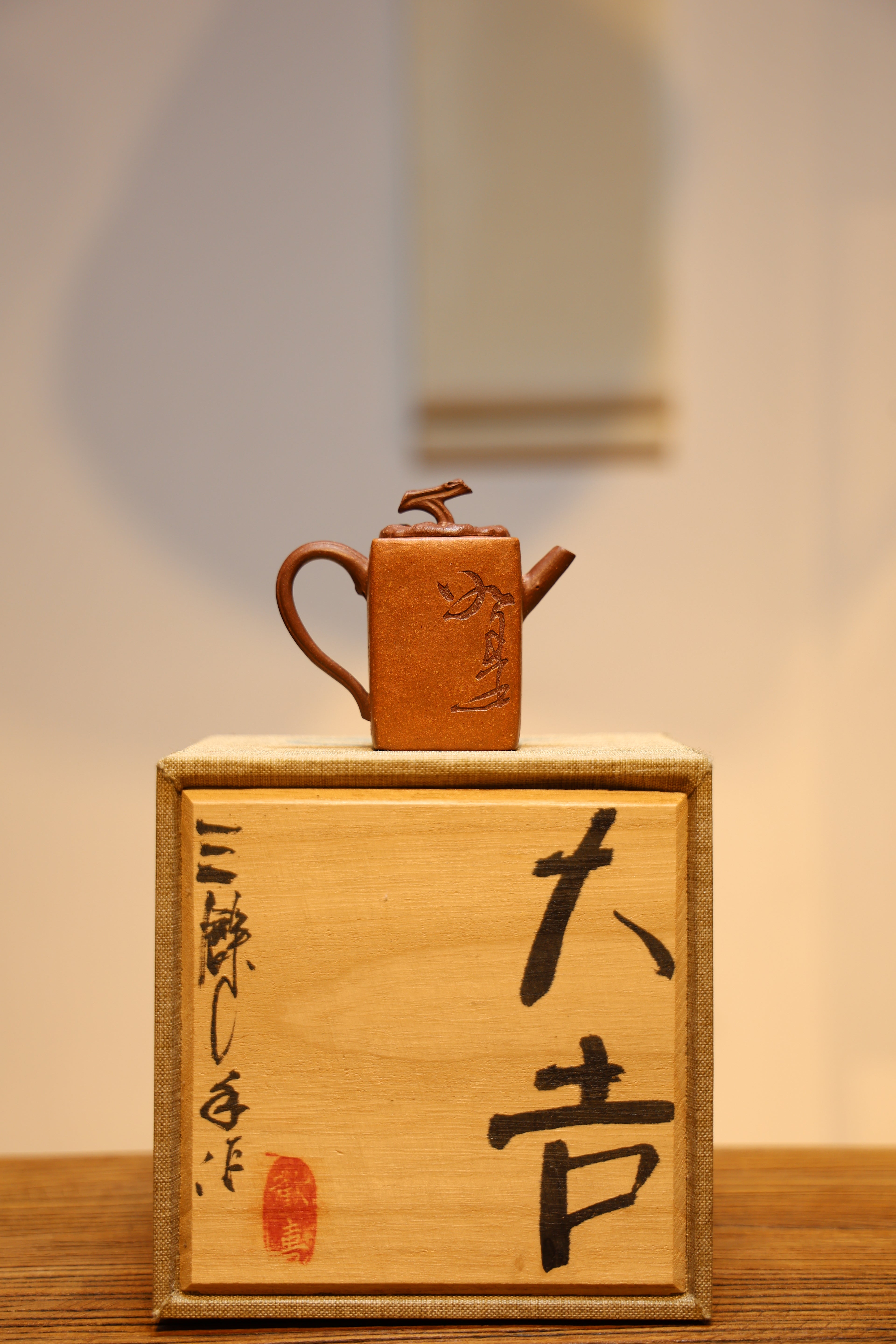
Ages of devotees have craved the exceptional fascination of Yixing Zisha earthenware. Coming in the modest town of Yixing, the land, these earthenware are formed from a peculiar and mined purple clay noted for its premium thermal characteristics and aptitude to boost the taste of potions. Besides their effective worth, Zisha teapots represent a lasting customary background, causing them highly admired and a legitimate gem for any zealous teapot collector.
Investigating Yixing Clay Pots
Classic teapots demonstrate a distinctive synthesis of history and expert craftsmanship. Emerging in Yixing, Jiangsu Sector of China, their narrative begins from the Ming Dynasty, although proof suggest earlier examples. The exclusive purplish clay, called Zisha, found just in the Yixing region, is the crucial component, contributing to the pots' outstanding heat retention and the manner they modify the flavor of tea. Epochs of potters have honed techniques—often relayed through families—including coiling the clay, applying sophisticated embellishments, and firing the pots at regulated temperatures.- Historically, Yixing teapots were often enhanced with simple designs.
- Later, more detailed carvings and pictorial motifs became accepted.
- The heat treatment itself is a fundamental element, requiring considerable time of expertise.
Amassing Zisha Teapots: Important Insights
Embarking on a pursuit to procure Zisha earthenware can be profitable, but it’s fundamental to appreciate what to identify. Authenticity is principal; focus on the terrain’s natural tone, a understated reddish-brown is standard. Examine the structure; genuine Zisha has a special tactile sensation, often defined as slightly unequal. The contour should be balanced and consistent with conventional styles, while impressions, if present, require careful examination for truthfulness. Don’t delay to consult with knowledgeable connoisseurs or reputable contacts – their guidance is critical.
A Vessels: Exploring the Lineage of the Yixing Purple Earth
Periods have seen Yixing Ming Clay teapots maintain a unique role in Chinese history. These exquisitely made pots, sourced primarily from the locality of Yixing, are noted for their singular cast, texture, and their ability to refine the scent of infusions. Countless collectors chase antique Yixing teapots, estimating them considerably not only for their aesthetic elegance, but also for the chronicle they signify.
Yixing Zisha Teapots: An Finest Varieties and Their Features
Zisha Clay teapots, coming from the local region of Yixing, the People’s Republic, are renowned for their distinctive clay and unparalleled brewing characteristics. Amid the multiple Zisha types, particular forms that are highly prized include Duan Ni. Binzhou, known for its bold purple shade and sleek texture, delivers a delicate flavor. Duan Ni form, recognizable by its coppery color and a bit grainy feel, is thought to enhance a richness. Lastly, Zhuni faction boasts an infrequent crimson tone and can offer a agreeable nuance. Each form provides a individual experience, affording them remarkably desirable for liquid enthusiasts.
Refining One’s Zisha Teapot
To reveal the essence of your Yixing kettle, appreciating the correct system is key. These clay receptacles, celebrated for their filtering ability, will progressively accept the core of the tea you steep within them. Begin by purifying the pot thoroughly with hot water. Then, use only first-class broken leaf tea, as lower quality options can damage the premise’s delicate notes. Always let the leaves to unfurl completely, and remember that with each session, your Yixing vessel will become gradually cherished.
Securing Your Precious Zisha Relic
Proper attention for your Zisha urn is vital to sustaining its longevity and price. Zisha clay, recognized for its unique tinge and feel, requires precise handling. Never use harsh solutions, as these can harm the layer. After every action, Yixing Zisha Teapot rinse the pot with gentle warm water and allow it to ventilate completely.
- Decline soaking the teapot for extended intervals.
- At intervals use a soft rag to dress the exterior.
- Consider applying a thin layer of food-grade lubricant inside the urn after drying, which can prevent staining.
Initial Guide to Yixing Clay Pots
Yixing containers, originating from the Yixing province in Jiangsu Province, located in China, are celebrated for their distinctive traits. Fabricated from the unique purple earth known as Zisha, these kettles are prized by potion enthusiasts worldwide. This summary will simply explain the core elements – covering sorts of Zisha matrix, popular shapes, and vital care suggestions. Understanding the foundation of Yixing jars can improve your appreciation for this esteemed example of Oriental folklore.
Trade of Chinese Clay Pots: Concentrating on Zisha made in this city of Yixing
Zisha substance from the Yixing territory represents the pinnacle of Yuan vessel design, showing a singular amalgamation of raw beauty and effective artistry. These famous pieces are esteemed for their saturated tints, often encompassing profound purples and rust hues to faint greys and muted beiges. The salient mineral composition of the local Zisha clay imparts a noteworthy texture and renders a gratifying aroma that richens the comprehensive concoction experience, enabling them significantly cherished collectibles and indispensable components of any serious ritual.