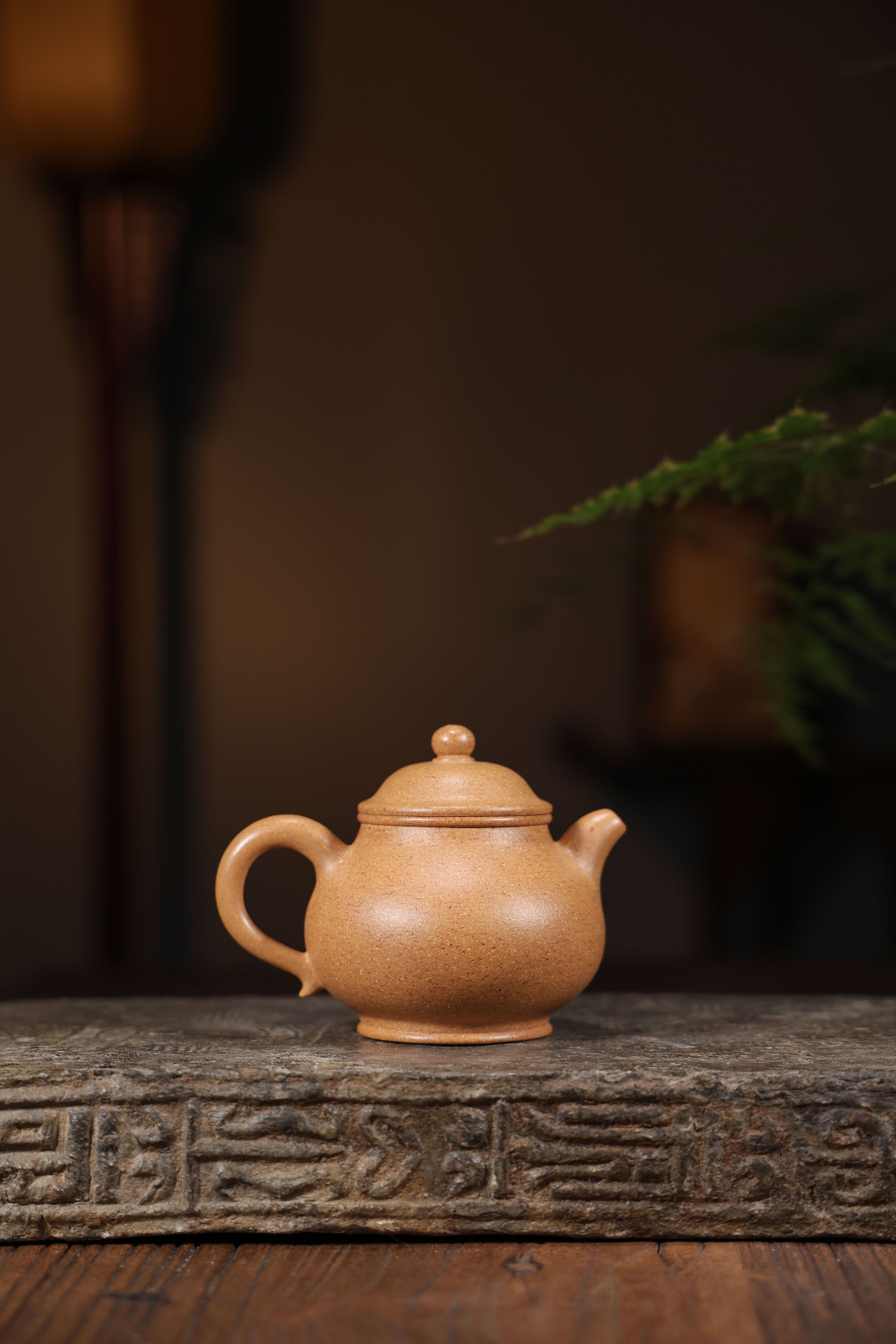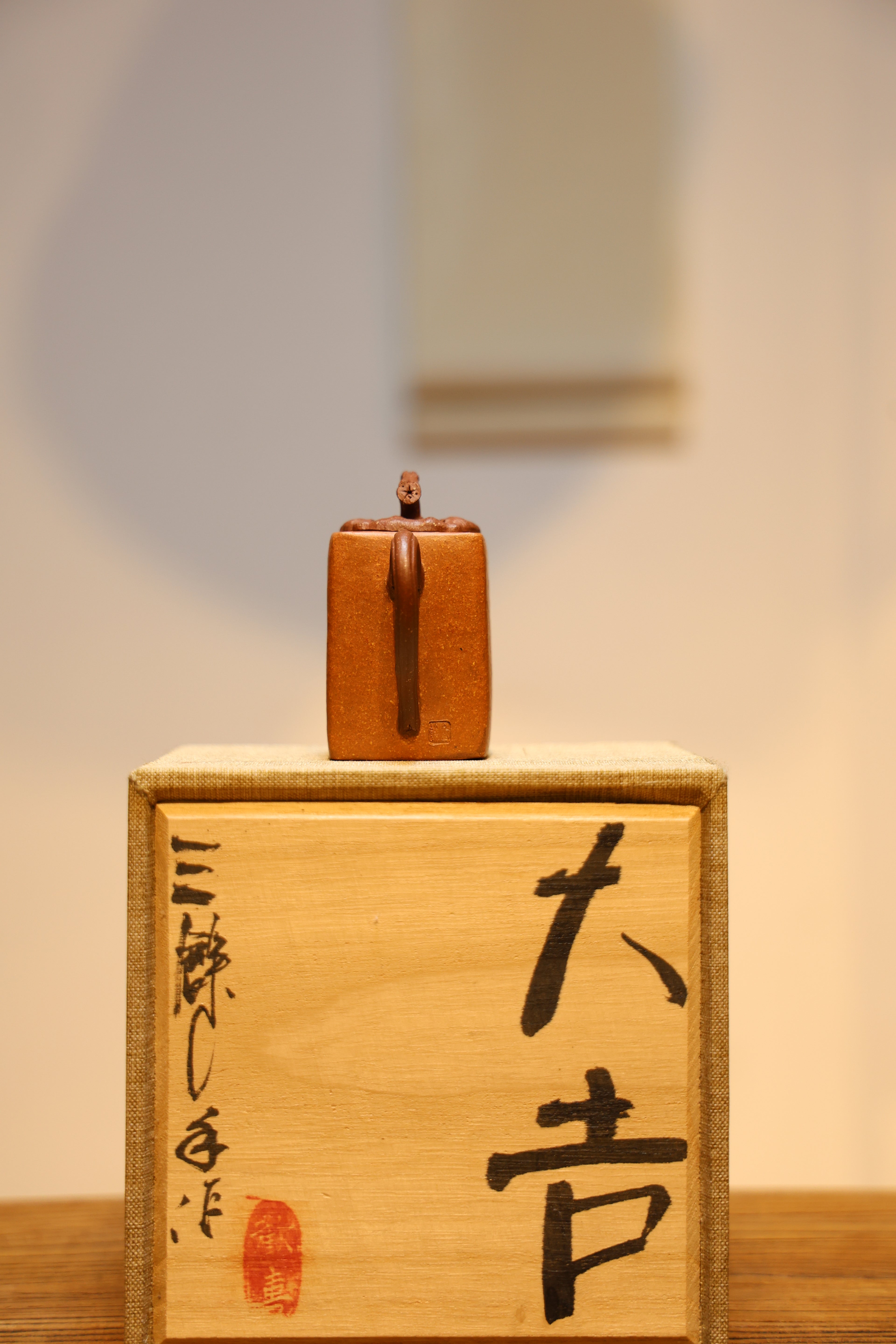
Within the sphere of enduring traditions,
Amidst generations, collectors have been ensnared by the uncommon charm of Yixing Zisha teapots. Originating from the territory of Yixing in the mainland, these pots are renowned for their outstanding beauty, infrequent clay, and essential ability to elevate the bouquet of tea. The soil's distinctive reddish-purple hue, combined with the expert construction of indigenous creators, creates works that are jointly functional objects and costly investments. Acquiring a Zisha teapot is more than just the purchase; it's experiencing a rich traditional heritage.
Exploring Yixing Teapots: Origins, Varieties, and Worth
Yixing region's teapots constitute a profound legacy deeply intertwined with Chinese culture. Stemming in the Yixing region of Jiangsu province, these clay vessels possess a heritage extending back to the Ming Dynasty. Initial copyrightples were functional, but amidst centuries, Yixing teapot building evolved into an esteemed art form. The clay itself, known for its unique structure and ability to influence the flavor of the tea, stays a defining factor. Yixing teapots exist in various styles, broadly categorized by shape: Historic such as Zhuni (purple clay) and Bisheng, as well as exclusive designs. The merit of a Yixing teapot relies on several factors, including the potter’s fame, the age of the piece, the rarity of the Purple Clay Teapot clay, and its aesthetic appeal.- Account: Old ages
- Earth: Various types
- Worth Components: Age
Art of Zisha Pottery: Skill and Creators
Distinct formation of a superior Zisha teapot is a detailed process, requiring extensive times of proficiency. Master artisans meticulously identify the top-grade Zisha clay, a unique earth found only in specific regions of China. Heritage-based techniques, often handed down through families, involve precise shaping, fine carving, and gradual firing in ancient incinerators. The concluding teapot isn't merely a vessel; it's a testament to inventive vision and the significant connection between the sculptor and their roots. Each piece showcases the distinctive touch of the designer, resulting in a truly unique work of craft.
Classical Ceramics: Surveying the Abundant Inheritances of Yixing Area
Yixing, positioned in Jiangsu the jurisdiction, is universally renowned for its exceptional culinary pots – a tangible representation of centuries of Chinese culture. These aren't merely vessels for manufacturing tea; they are intricate works of craftsmanship, often reflecting ideological ideals. The unique purple clay, known as Zisha, possesses unique qualities: the matter dense, permeable, and imparts a subtle quality to the tea.
- Many lineages have honed the techniques of Yixing container making, passing down traditional methods through eras.
- Followers prize these pieces for their aesthetic and exclusiveness.
- Particular pot tells a legend, connecting the recipient to a rich legacy.
Exploring Yixing Zisha: Key Considerations
During analyzing procuring Yixing Zisha vessels, various criteria command careful assessment. To begin with, the soil's tint is key; authentic Zisha traditionally exhibits a distinct reddish tinge. What's more, investigate the execution; exacting attributes and a smooth finish suggest experienced creation. In conclusion, review the producer's standing; reputable names command greater values and often guarantee a stable return.
Zisha Teapot Tea Brewing Mastery
Producing palatable tea with a Zisha carafe is more outstripping a simple custom; it's an skill. Zisha clay, acclaimed for its unique physical composition, imparts a soft character to the composed tea that’s often gone with other pots. The proper water heat is vital; typically, moderated than what's used for black tea, to sustain the tea's odor and character. Consider meticulously the tea variety; delicate green teas or aged pu-erhs benefit from the Zisha’s ability to lessen their primitive edge. It’s essential to cleanse the teapot prior to brewing, and to neglect over-steeping. Mastering this procedure leads to a veritably exceptional tea occasion.
- Understanding Zisha Clay
- Water Temperature & Tea Classification
- Essence of Tempering
Looking After Your Renowned Vessel
Intending to sustain the durability of your precious Yixing earthenware, steady maintenance is fundamentally important. Never using abrasives; instead, softly immerse it with comfortably warm liquid. Dodge abrupt temperature; please don't place the earthenware directly onto a fiery stand. Periodically, prepare the container by soaking it with high-quality matured brew, as this facilitates to improve its quality and preserves the special charm of the element.
Concerning Dirt to Container: The Transition of a Yixing Vessel
The creation of a Zisha teapot is a remarkable operation, a testament to both the globe's bounty and the mastery of the handworker. It commences with the rigorous extraction of the distinctive clay from the mauve Zisha mines not far from Yixing. This natural material, known for its magnificent qualities, is then deliberately distilled and prepared for the original forming. The urn’s form is masterfully assembled using a mix of classical forming methods, often incorporating detailed ornaments. Following hardening, the teapot undergoes a crucial first firing, complemented by a layering stage, which might involve several layers of traditional Zisha applications. Finally, a second, and sometimes third, firing at powerful temperatures brings the creation, revealing its conclusive beauty and extraordinary characteristics - a bona fide masterpiece, primed to grace a tea ritual.
{Yixing Teapots: A Token of the Legacy and Valuation
Famous Yixing teapots, originating from the renowned Yixing region of Jiangsu province, are far more than mere containers for brewing infusions; they represent a important aspect of Chinese heritage. Produced from distinctive purple clay – zisha – these uncommon teapots are highly esteemed for their ability to enrich the flavor of the tea and, crucially, for their elegance. The chronicle of Yixing teapot making spans centuries, and the technique involved is entrusted through generations, making each teapot a cultural artifact that embodies lasting techniques and a profound appreciation for the pure pleasures in life.