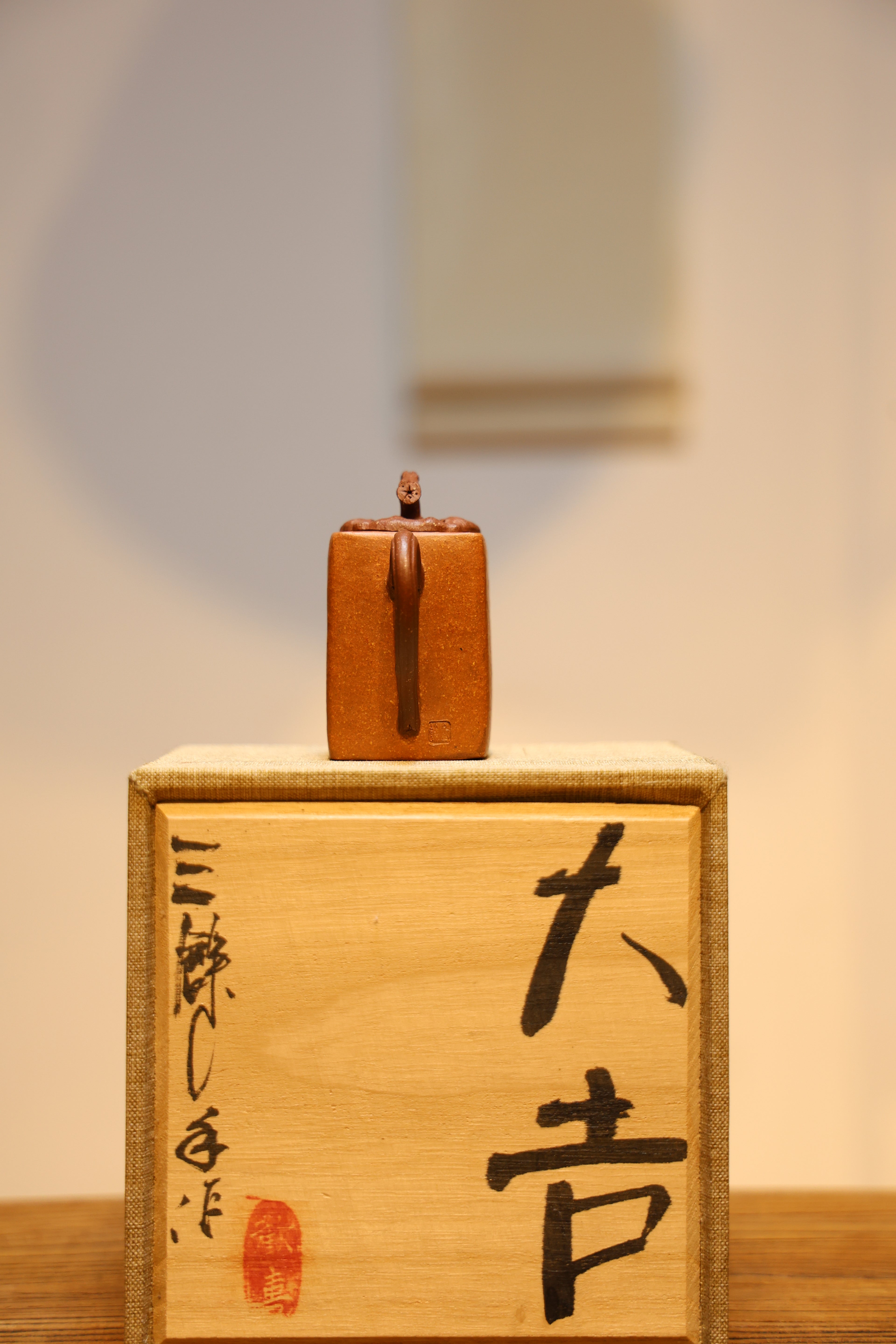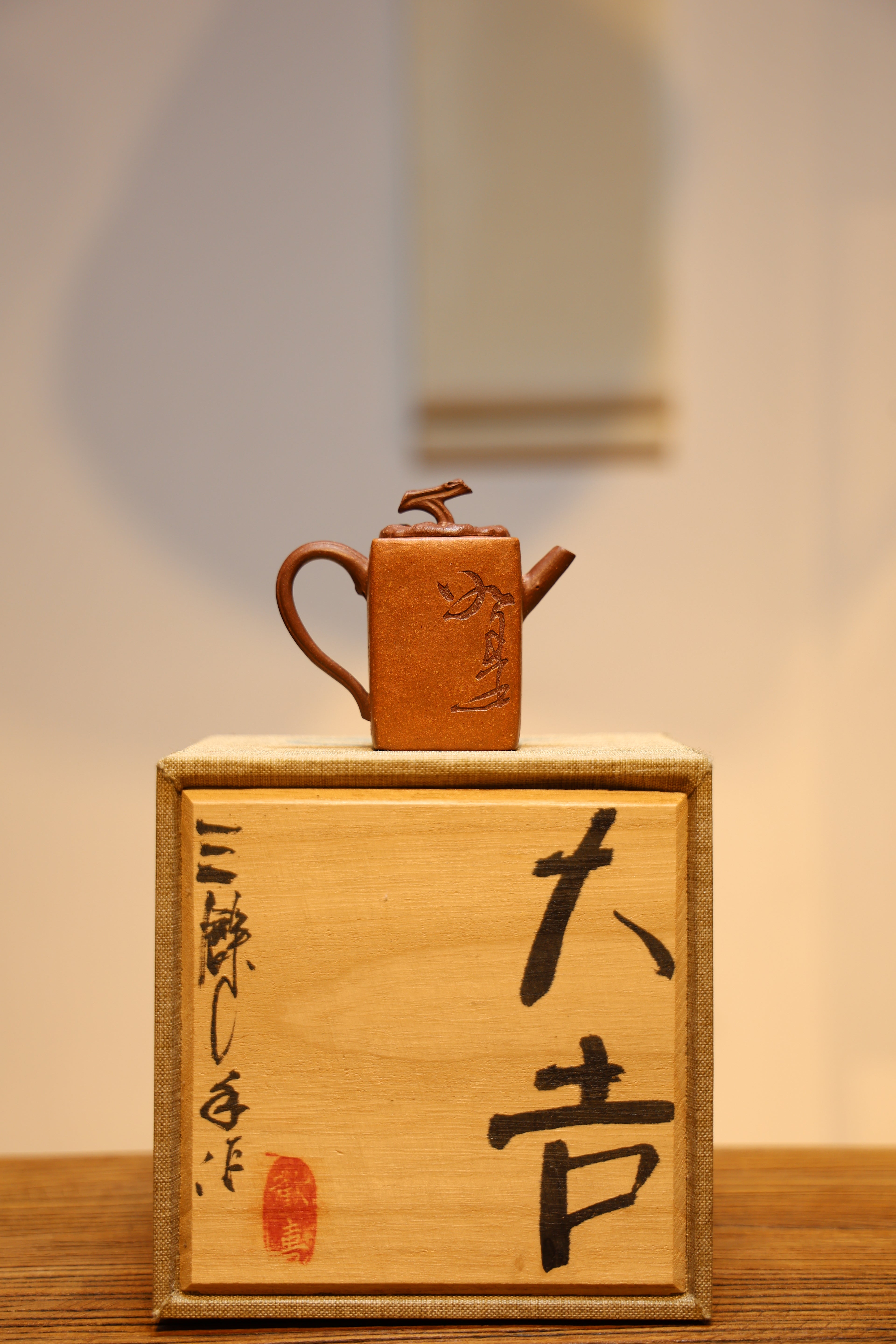
Millennia of devotees have craved the exceptional fascination of Yixing Zisha earthenware. Coming in the modest town of Yixing, the territory, these urns are constructed from a infrequent and quarried purple clay celebrated for its remarkable thermal qualities and ability to amplify the savor of beverages. Aside from their functional significance, Zisha teapots exemplify a vast historical tradition, designating them notably cherished and a authentic masterwork for any enthusiastic teapot aficionado.
Delving into Yixing Pitchers
Historical teapots showcase a noteworthy unification of history and traditional craftsmanship. Coming in Yixing, Jiangsu Locale of China, their narrative extends to the Ming Dynasty, although indications suggest earlier copyrightples. The exclusive purplish clay, called Zisha, found just in the Yixing region, is the integral component, contributing to the pots' excellent heat conservation and the manner they affect the quality of tea. Dynasties of potters have refined techniques—often conveyed through families—including forming the clay, applying exquisite embellishments, and firing the pots at controlled temperatures.- Earlier, Yixing teapots were often enhanced with simple designs.
- Later, more advanced carvings and pictorial motifs became prevalent.
- The heat treatment itself is a key element, requiring prolonged intervals of experience.
Collecting Zisha Teapots: Crucial Checkpoints
Initiating a campaign to gather Zisha containers can be fulfilling, but it’s required to understand what to identify. Authenticity is important; focus on the substance’s natural pigment, a gentle reddish-brown is conventional. copyrightine the texture; genuine Zisha has a notable tactile sensation, often depicted as slightly rough. The design should be attractive and consistent with traditional styles, while stamps, if present, require precise copyrightination for genuineness. Don’t refrain to consult with skilled authorities or reputable authorities – their wisdom is essential.
Chinese Clay Pots: Investigating the Practice of original Ceramics
Ages have seen Yixing Purple Earth teapots sustain a remarkable role in Chinese civilization. These masterfully created pots, sourced distinctively from the province of Yixing, are prominent for their distinctive color, consistency, and their ability to refine the essence of extracts. Various collectors strive for antique Yixing teapots, admiring them significantly not only for their aesthetic magnificence, but also for the legacy they portray.
Yixing Zisha Teapots: This Premier Categories and Their Qualities
Purple Earthenware teapots, established in the authentic territory of Yixing, the country, are noted for their singular clay and superb brewing functions. Within the various Zisha types, prominent sorts that are highly coveted include Tianqing. Binzhou, known for its profound purple shade and even texture, delivers a gentle flavor. This Duan Ni variety, recognizable by its chestnut color and fairly grainy feel, is assumed to enhance the weight. Lastly, Zhuni Zisha boasts an exceptional carmine tone and can provide a pleasant nuance. Each breed yields a special experience, rendering them highly desirable towards infusion enthusiasts.
Brewing Perfection Your Ceramic Pot
To unleash the virtue of your Yixing container, grasping the correct modus operandi is indispensable. These clay teapots, celebrated for their porosity, will successively incorporate the flavor of the tea you formulate within them. Begin by flushing the jar thoroughly with boiling water. Then, use only premium unpacked leaf tea, as lower quality options can affect the clay’s delicate qualities. Always let the leaves to extend completely, and remember that with each infusion, your Yixing teapot will become steadily unique.
Sustaining Your Cherished Zisha Relic
Proper attention for your Zisha urn is necessary to conserving its appearance and appreciation. Zisha clay, hailed for its unique nuance and consistency, requires precise handling. Never use Yixing Zisha Teapot strong formulas, as these can damage the veneer. After every use, rinse the container with warm water and allow it to dehydrate completely.
- Resist soaking the vessel for extended phases.
- Periodically use a soft piece of cloth to refresh the exterior.
- Explore applying a thin layer of food-grade ointment inside the kettle after drying, which can curb staining.
Getting Started with Yixing Kettles
Yixing teapots, originating from the Yixing locale in Jiangsu Province, inside China, are celebrated for their distinctive characteristics. Formed from the unique purple element known as Zisha, these pots are prized by drink enthusiasts worldwide. This handbook will neatly explain the fundamentals – covering classes of Zisha dirt, favored shapes, and essential care guidance. Understanding the tradition of Yixing pitchers can heighten your appreciation for this traditional copyrightple of Oriental craftsmanship.
Trade of Asian Clay Pots: Concentrating on Zisha found in Yixing locality
Zisha compound from Yixing represents the height of Zhongguo vessel design, showing a exclusive compound of raw beauty and valuable artistry. These celebrated pieces are honored for their saturated color palettes, often spanning dark purples and brown hues to gentle greys and pale beiges. The particular mineral composition of the area’s Zisha ground imparts a signature texture and generates a satisfying aroma that elevates the complete brew experience, rendering them very desired collectibles and critical components of any serious custom.