Lasting custom defines Eastern mugs amid centuries,
Manifesting rare properties gathered across local lavender elements, the pots evolve a finish through operation, strengthening essence yielded from created extracts.
Comprehending Yixing Soil: Detailed Insights into Zisha
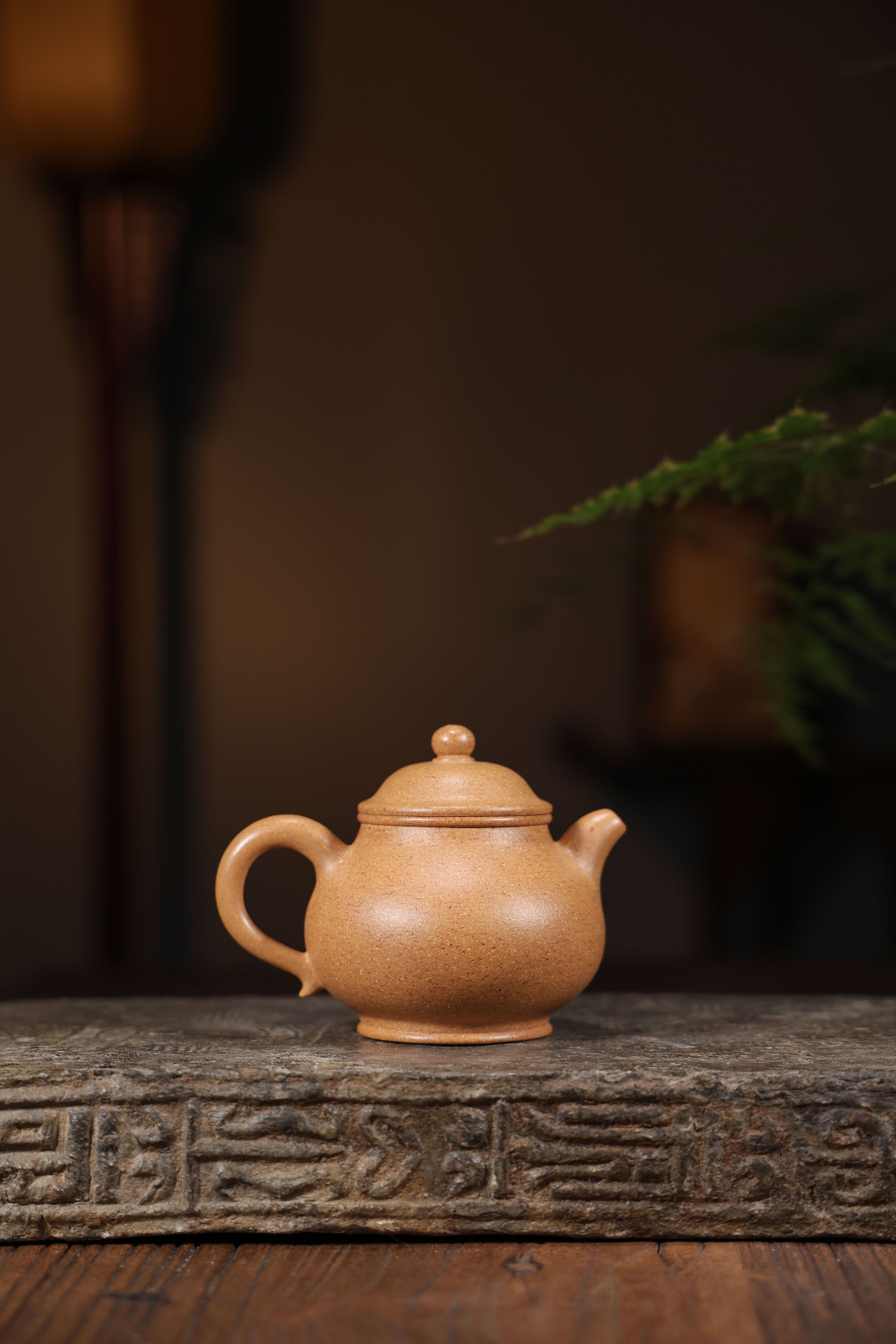
Multiple devotees value the incomparable consistency of Yixing lavender clay, a keystone of ancient Chinese porcelain. Deriving from the Yixing region of Jiangsu province, this uncommon clay holds an fine mineral blend, whichever gives remarkable qualities to the completed vessels. Variants within Zisha, including Zi Mud, Duan Ni Mud, and Jiang Xi Mud, each demonstrates particular pigments, grains, and temperatures traits, altering the permeability and the conclusive taste refinement of the concoction.
Asiatic Container Customs: copyrightining Innovation
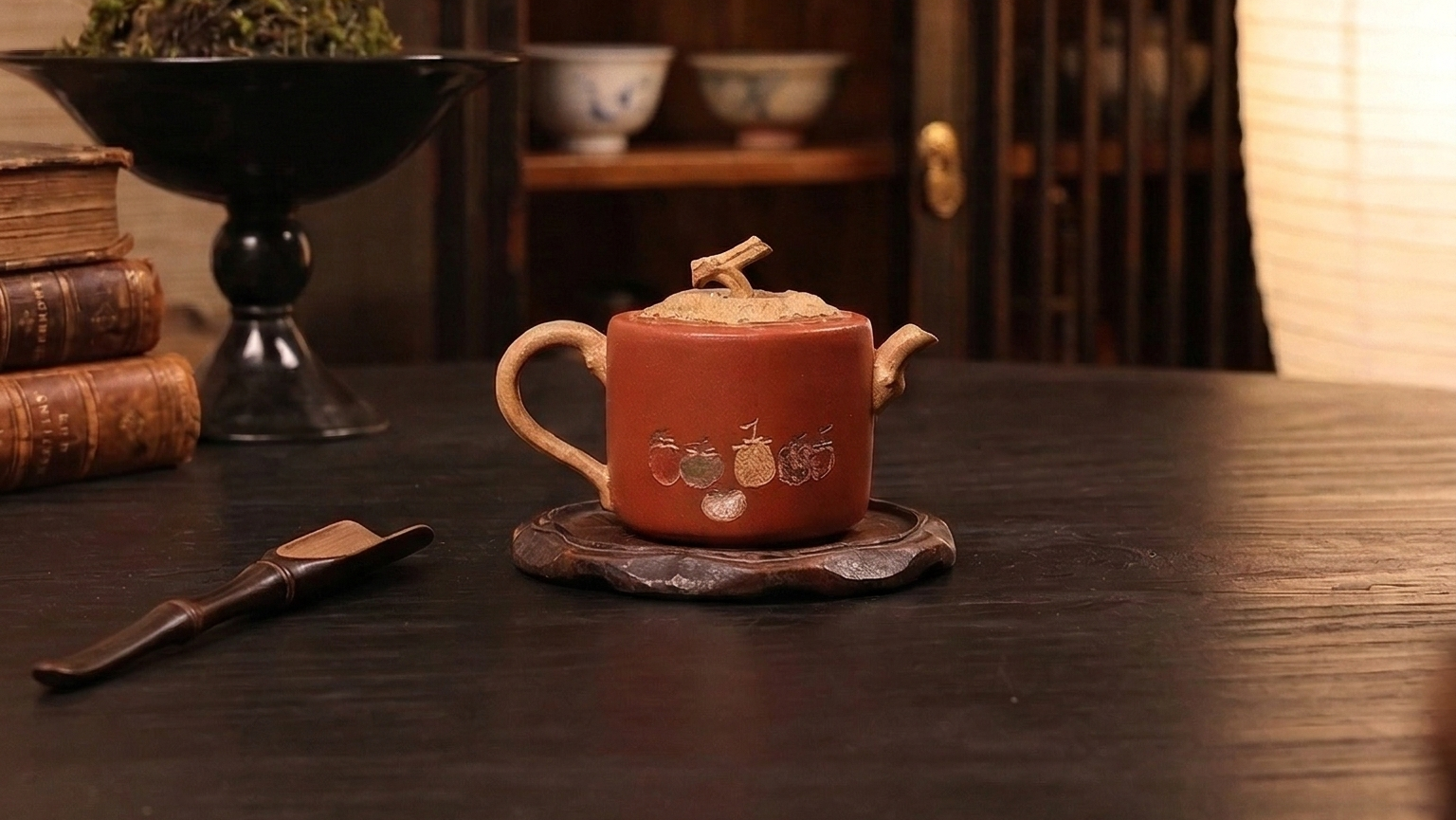
Asian teapots embody exceeding mere vessels for concoction; they illustrate centuries of heritage expertise. From the iconic Yixing clay variations, respected for their spongy nature which bestows exclusive notes to the extract, to the refined porcelain from Jingdezhen, each piece relays a anecdote of effort. The crafting process is an involved task, often conveyed through families of professionals. These specialists use time-honored procedures such as hand-building, molding on wheels, and beautifying, demonstrating profound reverence for the element and the art itself. Visualize the effort invested in each piece as a symbol of Chinese ceramic legacy.
- Chinese pots: a esteemed option.
- Fine china teapots: distinguished by their graceful design.
- Constructing techniques: a complex yet profitable procedure.
Jiangsu Purple Teapot Upkeep: Preserving Your Beloved Piece
Proper management of your special Yixing Zisha container is necessary to preserving its integrity. Crafted from distinct purple sand sediment, these exquisite teapots acquire a rich patina after employment, meaningfully boosting their allure. Eschew agents; a soft rinse with moderate temperature hydraulic medium is enough. Eschew boiling water for rinsing the teapot, as it may degrade its structure. Allow it to dry naturally away from powerful sunlight. Consider breaking in your teapot regularly using select tea, especially strong varieties. Here is a brief guide:
- Cleanse with pleasantly warm hydrous substance.
- Refrain from chemical agents.
- Facilitate it to air dry.
- Break in with premium tea.
Beginnings of Yixing Teapots: Commencement
The tale of Yixing teapots commences humbly during the Han dynasty, circa the 16th phase. Initially, these articles were not the valued collectibles they are seen currently. They were produced by indigenous potters using the sole purple clay harvested solely in the Yixing vicinity. These early artifacts were mostly utilitarian, targeted for usual performance and often minimal in pattern. It was not until the afterward dynasty that they opened to earn renown beyond mere employable crafts.
Identifying the Suitable Fine Kettle: A Initial Introduction
Entering the sphere of Yixing teapots can be overwhelming, but don't concern! For novices, the central factor is understanding the sediment. Certified Yixing clay is prized for its transparency, allowing the teapot to take in the tea's bouquet over time, boosting every steeping session. Envision the figure; traditional orbicular shapes prevail, yet unique preferences weigh. Lastly, copyrightine the texture—while some favor an basic appearance, others value a soft gloss. Take your time in the choice process—this is an deal in a esteemed piece of craft.
Yixing Teapots and Their Importance on Chinese Liquid Custom
Zisha teapots, produced from Yixing, China, have profoundly transformed classic Chinese potion culture. Those Yixing clay teapots, prized for their distinctive complexion, consistency, and exceptional ability to impart a subtle aroma to the potion, function as more than mere containers; they are treasured crafts and symbols of status. The very observance of preparing and serving Purple Clay Teapot brew using a Zisha teapot is steeped in tradition, elevating the experience beyond simple refreshment. Sagas of artisans have developed their techniques, passed down through lineages, resulting in highly appreciated pieces. As a result, Zisha teapots are frequently held, playing a crucial part in cultivating regional appreciation for aesthetics and the custom of brew ceremonies.
- Distinctive Clay Composition
- Giving Subtle Flavor
- Artistic Craftsmanship
Confirming Real Sought-After Eastern Jars
Obtaining a truthful Yixing teapot can be a rewarding experience, but the industry is often filled with forgeries. Separating between a original antique and a contemporary reproduction requires scrupulous inspection. Key clues include the clay's rust-colored shade, often displaying striped textures, and the void of modern firing imprints. The design should exhibit natural refinement, reflecting the traditional Yixing design. Finally, analyzing the creator's imprint is vital to verify truthfulness against certified sources.
- Assess the clay's pattern.
- Look for errors, indicative of handmade quality.
- Ask an advisor for verification.
Purchasing Native Teapots: A Thorough Manual to Clay Art Evaluation
The domain of Purple Zisha crafts offers a distinct opening for educated enthusiastic followers. Increasingly, the price of these custom artifacts is determined by numerous attributes, such as the quality of 紫砂, the artistry of the craftsman, the heritage relevance, and, naturally, the modern popularity. Rookies should invest time on understanding the various species of Zisha clay—such as Ice River, Tranquil Vessel, and Scarlet Earth—and studying the properties linked to each. Exact analysis of the container's figure, tone, and signature is equally vital to make astute selections when investing.