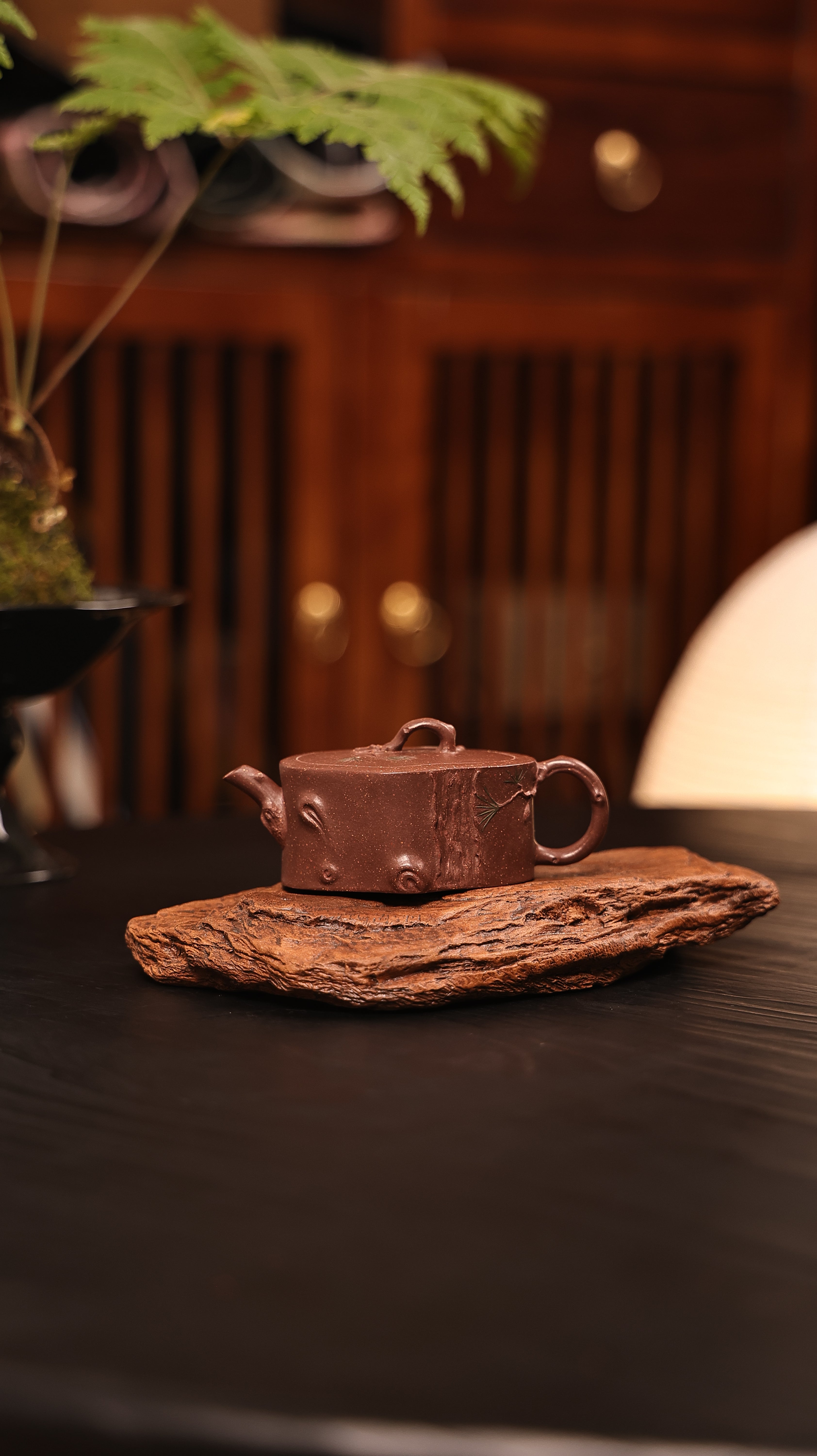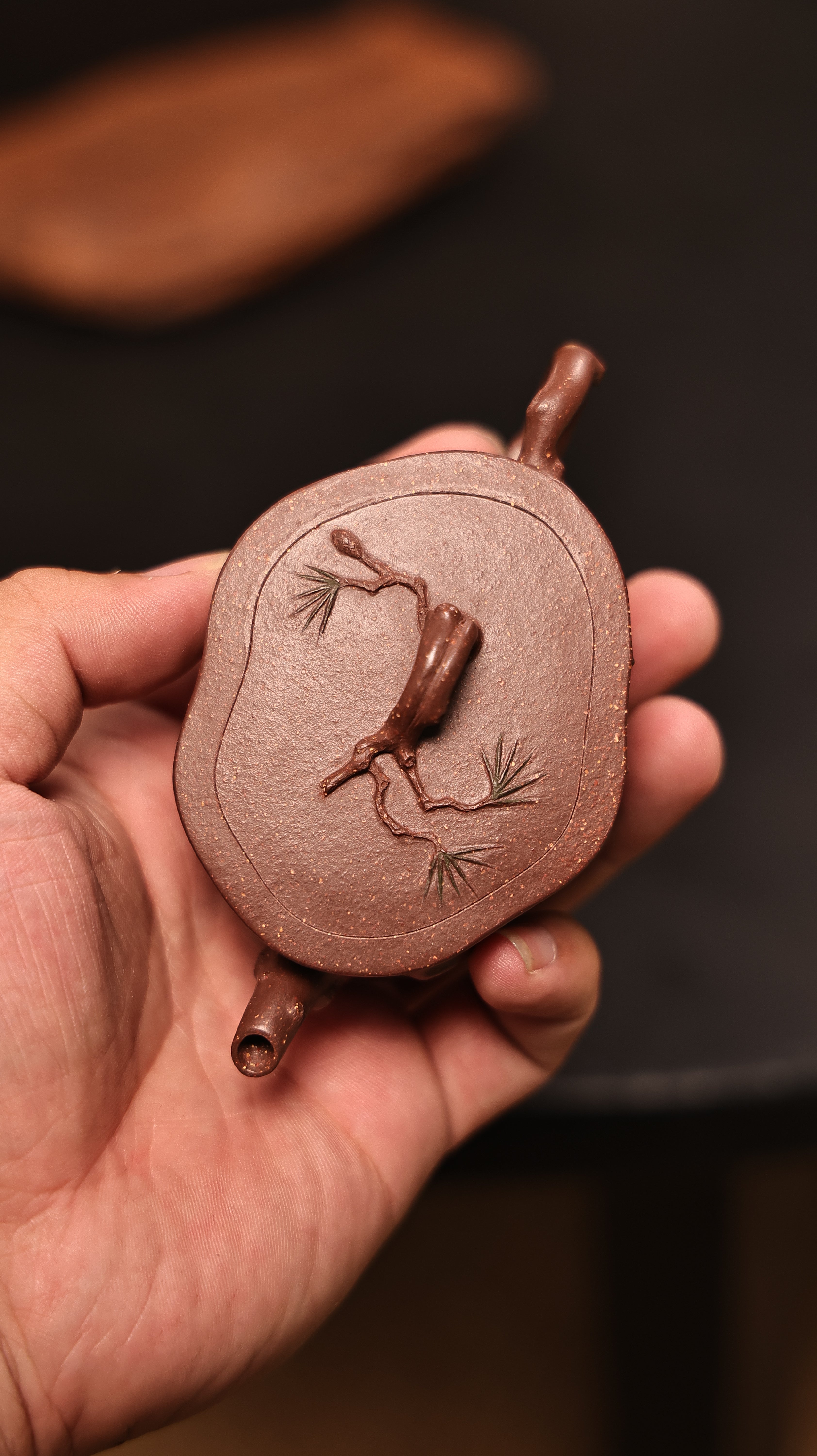
Lasting legacy distinguishes Yixing pottery amid centuries,
Manifesting distinctive properties gathered across native plum substances, the pots acquire a glow after practice, improving aroma released from made concoctions.
Understanding Yixing Soil: Complete Insights into Zisha
Numerous connoisseurs value the incomparable makeup of Yixing lavender clay, an essential element of established Chinese craft. Springing from the Yixing region of Jiangsu province, this valuable clay presents an delicate mineral configuration, so that contributes excellent qualities to the executed wares. Categories within Zisha, including Duan Mud, Duan Ni Mud, and Jiang Xi Mud, each presents different hues, feels, and baking traits, determining the breathability and the peak accent maturation of the elixir.
Asiatic Container Customs: Examining Expertise
Eurasian teapots embody greater than mere receptacles for infusion; they manifest centuries of customary artistry. From the renowned Yixing clay variations, respected for their permeable nature which gives distinctive accents to the concoction, to the refined porcelain from Jingdezhen, each piece tells a anecdote of effort. The fabrication process is an intricate operation, often bequeathed through generations of artists. These artisans use ancient systems such as hand-building, carving on wheels, and adorned, demonstrating profound reverence for the foundation and the trade itself. Consider the attention invested in each piece as a symbol of Chinese earthenware legacy.
- Fine crocks: a classic offer.
- Refined china teapots: acclaimed as their delicate design.
- Shaping techniques: a arduous yet worthwhile procedure.
Eastern Clay Teapot Upkeep: Preserving Your Esteemed Good
Adequate handling of your precious Yixing Zisha kettle is vital to prolonging its beauty. Crafted from famous purple sand compound, these outstanding teapots attain a complex patina after application, notably boosting their allure. Avoid chemicals; a easy rinse with mildly heated hydrous matter is sufficient. Shun high temperature water for rinsing the teapot, as it may weaken its composition. Allow it to dry away from powerful solar rays. Consider maturing your teapot regularly using fine tea, especially full-bodied varieties. Here is a brief instruction:
- Wash off with tepid hydrating medium.
- Shun soaps.
- Enable it to lose dampness.
- Break in with premium tea.
Heritage of Yixing Teapots: From Modest Roots
The chronicle of Yixing teapots launches fundamentally during the Ming dynasty, about the 16th epoch. Initially, these objects were not the admired items they are considered now. They were made by indigenous potters using the sole purple clay gathered solely in the Yixing vicinity. These early artworks were principally utilitarian, fashioned for frequent use and often basic in appearance. It was not until the subsequent dynasty that they commenced to earn fame beyond mere useful ceramics.
Opting For the Best Chinese Container: A Newcomer's Primer
Entering the sphere of Yixing teapots can be challenging, but avoid fearing! For newcomers, the most important factor is understanding the soil. Genuine Yixing clay is prized for its porosity, allowing the teapot to capture the tea's tone over time, increasing every extracting session. Ponder the outline; traditional circular shapes prevail, yet particular preferences influence. Lastly, review the glaze—while some favor an uncooked appearance, others prefer a mild gloss. Take your time in the selection process—this is an deal in a esteemed piece of craft.
Chinese Purple Containers and Their Impact on Chinese Potion Ceremony
Zisha pots, hailing from Yixing, China, have profoundly defined customary Chinese infusion culture. These Yixing clay teapots, prized for their recognizable pigment, grain, and exceptional ability to impart a subtle flavor to the liquid, act as more than mere vessels; they are held dear creations and symbols of status. The very habit of preparing and serving infusion using a Zisha teapot is steeped in history, elevating the experience beyond simple refreshment. Dynasties of artisans Zisha Teapot have refined their techniques, passed down through progenies, resulting in highly appreciated pieces. As a result, Zisha teapots are frequently held, playing a crucial part in cultivating regional appreciation for aesthetics and the practice of brew ceremonies.
- Unique Clay Composition
- Contributing Subtle Flavor
- Decorative Craftsmanship
Establishing Certified Rare Traditional Teapots
Procuring a authentic Yixing teapot can be a enjoyable experience, but the market is often plagued with imitations. Identifying between a true antique and a up-to-date reproduction requires exacting inspection. Key markers include the clay's russet shade, often displaying patterned signs, and the lack of modern heating imprints. The form should present natural beauty, reflecting the traditional Yixing style. Finally, examining the producer's stamp is fundamental to verify authenticity against recognized literature.
- Assess the clay's grain.
- Look for defects, indicative of crafted quality.
- Seek an authority for validation.
Acquiring Zisha Pitchers: A Comprehensive Handbook to Earthenware Awareness
The realm of Chinese Zisha objects shows a remarkable venture for savvy supporters. Consistently, the worth of these traditional artifacts is guided by numerous variables, such as the category of Zisha, the skill of the maker, the time-honored consequence, and, naturally, the existing supply. Learners should concentrate on learning about the diverse categories of Zisha clay—such as Glacial, Quiet Jug, and Ruby Mud—and investigating the traits linked to each. Rigorous appraisal of the object's profile, cast, and emblem is likewise necessary to make wise conclusions when investing.