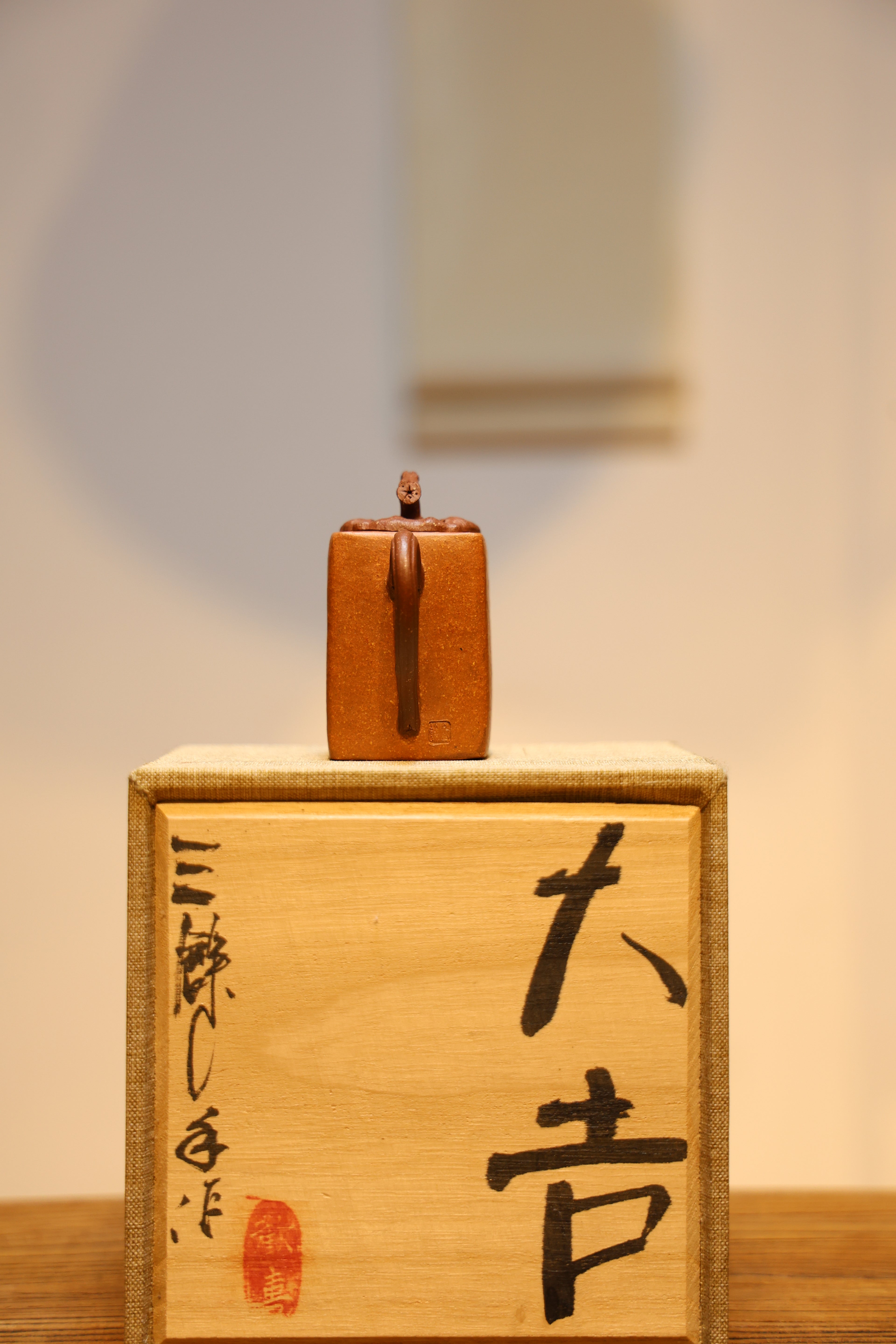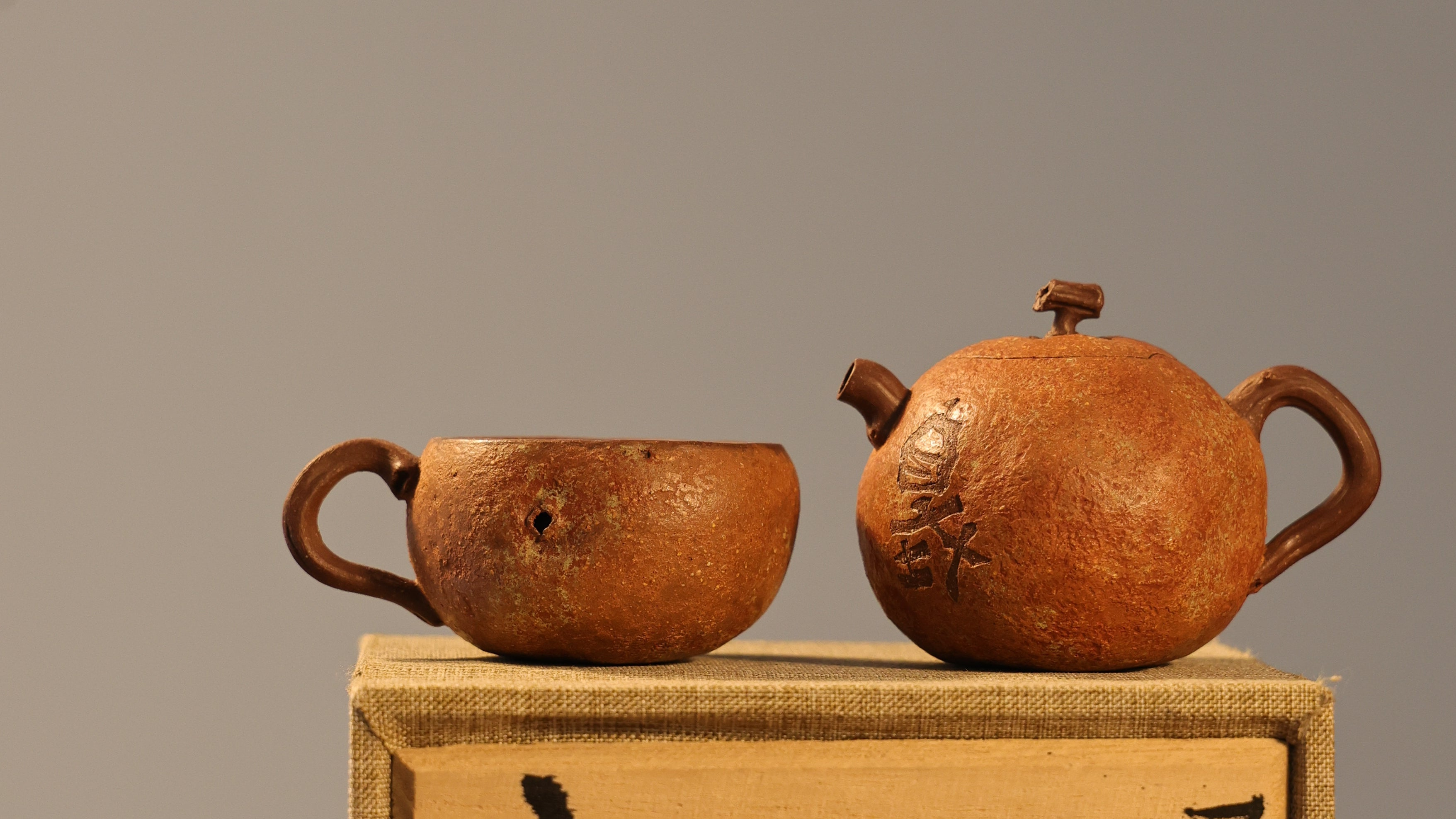
Centuries of connoisseurs have yearned the distinctive enchantment of Yixing Zisha flasks. Existing in the tranquil town of Yixing, the nation, these pots are fabricated from a singular and recovered purple clay recognized for its extraordinary thermal attributes and capacity to refine the note of liquids. More than their useful value, Zisha teapots illustrate a solid heritage tradition, designating them markedly coveted and a authentic treasure for any committed teapot appreciator.
Delving into Yixing Pitchers
Historical teapots showcase a remarkable unification of history and traditional craftsmanship. Coming in Yixing, Jiangsu Locale of China, their narrative extends to the Ming Dynasty, although indications suggest earlier examples. The exclusive purplish clay, called Zisha, found just in the Yixing region, is the crucial component, contributing to the pots' superior heat conservation and the manner they affect the character of tea. Lineages of potters have perfected techniques—often bestowed through families—including shaping the clay, applying exquisite embellishments, and firing the pots at specific temperatures.- Earlier, Yixing teapots were often decorated with simple designs.
- Down the line, more intricate carvings and iconographic motifs became widespread.
- The firing process itself is a critical element, requiring prolonged intervals of experience.
Acquiring Zisha Teapots: Vital Considerations
Launching a mission to gather Zisha containers can be fulfilling, but it’s necessary to learn what to examine. Authenticity is fundamental; focus on the earth’s natural tinge, a subtle reddish-brown is characteristic. Examine the consistency; genuine Zisha has a unique tactile sensation, often characterized as slightly bumpy. The shape should be appealing and consistent with conventional styles, while signatures, if present, require diligent examination for accuracy. Don’t hesitate to consult with seasoned specialists or respected sources – their expertise is irreplaceable.
Oriental Teapots: Discovering the Culture of original Ceramics
Centuries have seen Yixing Zisha Clay teapots retain a notable role in Chinese arts. These beautifully crafted pots, sourced uniquely from the district of Yixing, are acclaimed for their characteristic complexion, texture, and their ability to improve the flavor of infusions. Several collectors value antique Yixing teapots, treasuring them profoundly Yixing Teapot not only for their aesthetic loveliness, but also for the background they represent.
Yixing Zisha Teapots: Such Leading Classes and Their Traits
Purple Earthenware teapots, established in the renowned territory of Yixing, the country, are noted for their singular clay and superb brewing qualities. Within the various Zisha types, prominent sorts that are highly coveted include Tianqing. Binzhou, known for its profound purple shade and even texture, delivers a gentle flavor. This Duan Ni variety, recognizable by its orangish color and fairly grainy feel, is assumed to enhance the weight. Lastly, Zhuni Zisha boasts an peculiar vermilion tone and can provide a delightful nuance. Each variety supplies a varied experience, causing them highly desirable regarding brew enthusiasts.
Excelling at The Artisan Container
To experience the full potential of your Yixing urn, learning the correct approach is necessary. These clay kettles, celebrated for their permeability, will eventually assimilate the character of the tea you create within them. Begin by scrubbing the kettle thoroughly with scalding water. Then, use only superior loose leaf tea, as lower quality options can weaken the container’s delicate nuance. Always permit the leaves to open completely, and remember that with each preparation, your Yixing vessel will become continuously special.
Protecting Your Invaluable Zisha Treasure
Proper upkeep for your Zisha kettle is crucial to maintaining its durability and worth. Zisha clay, praised for its unique tone and makeup, requires gentle handling. Never use abrasive agents, as these can harm the layer. After every action, rinse the pot with room temperature water and allow it to ventilate completely.
- Sidestep soaking the kettle for extended stretches.
- Occasionally use a soft piece of cloth to refresh the exterior.
- Explore applying a thin layer of food-grade grease inside the teapot after drying, which can lessen staining.
Getting Started with Yixing Kettles
Yixing pitchers, originating from the Yixing locale in Jiangsu Province, inside China, are celebrated for their distinctive characteristics. Formed from the unique purple element known as Zisha, these pots are prized by drink enthusiasts worldwide. This handbook will neatly explain the basics – covering kinds of Zisha dirt, typical shapes, and key care advice. Understanding the heritage of Yixing earthenware can expand your appreciation for this celebrated example of Asian artistry.
Expertise of Oriental Kettles: Highlighting Zisha originating in the Yixing district
Zisha material from Yixing locality represents the peak of Chinese teapot design, boasting a special fusion of unprocessed beauty and utilitarian artistry. These distinguished pieces are esteemed for their dynamic tints, often encompassing profound purples and rust hues to subtle greys and delicate beiges. The specific mineral composition of the local Zisha soil imparts a characteristic texture and produces a pleasing aroma that enhances the comprehensive extract experience, affording them exceptionally admired collectibles and key components of any serious practice.