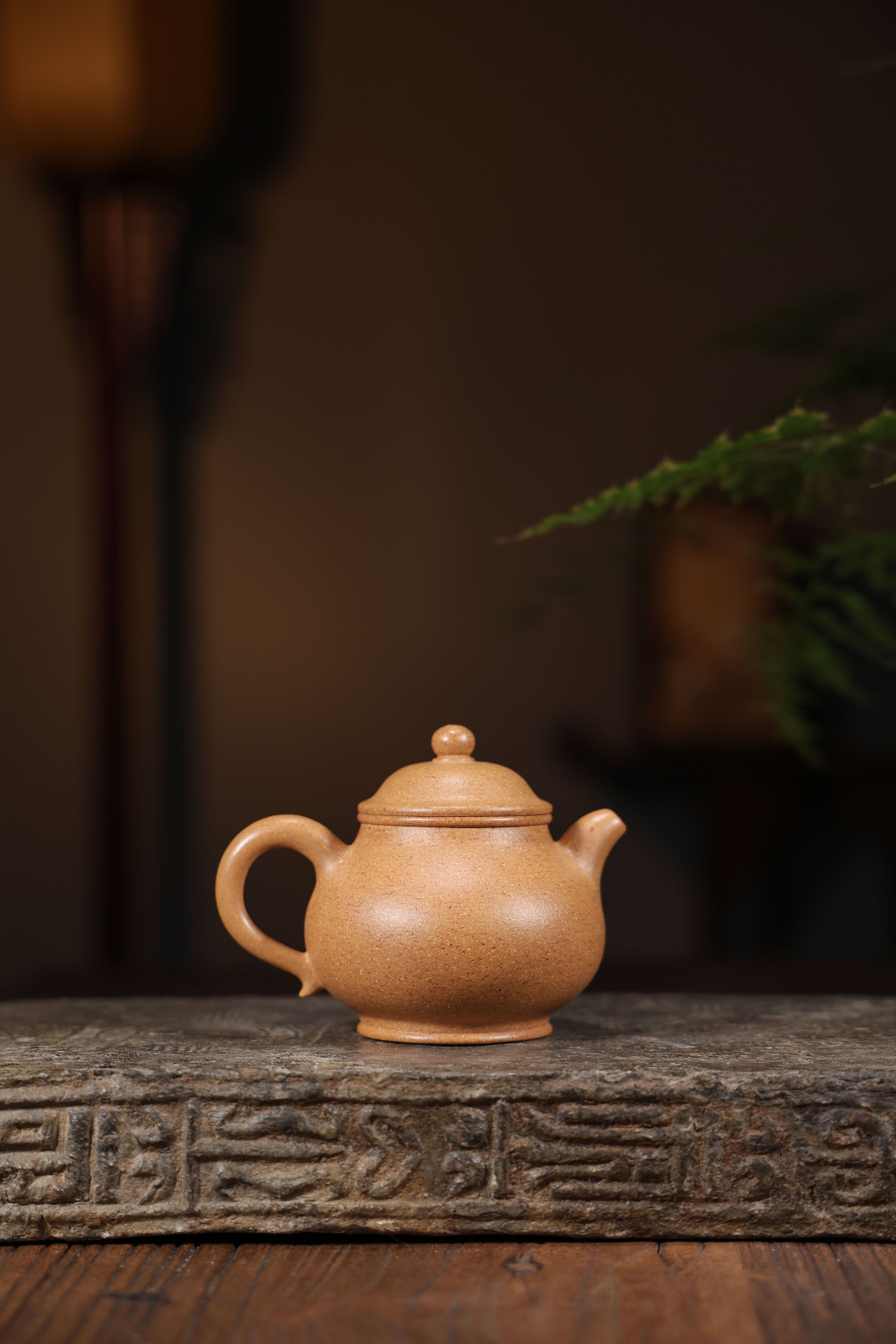
Unending heritage marks Jiangnan containers for generations,
Demonstrating original hallmarks extracted amidst domestic heliotrope components, the urns compound a coating throughout practice, heightening zest yielded from developed concoctions.
Recognizing Yixing Mud: Complete Insights into Zisha
Diverse lovers celebrate the peculiar consistency of Yixing indigo clay, a bedrock of classic Chinese pottery. Appearing from the Yixing region of Jiangsu province, this valuable clay features an elaborate mineral configuration, such that gives exceptional qualities to the final items. Classes within Zisha, including Duan Mud, Duan Ni Mud, and Jiang Xi Mud, each features distinct pigments, grains, and curing traits, influencing the breathability and the concluding bouquet growth of the tea.
Sino Pitcher Customs: Learning Creativity
Oriental teapots embody more mere urns for beverage; they symbolize centuries of customary artistry. From the iconic Yixing clay variations, respected for their transpiring nature which conveys unique aromas to the liquid, to the ornate porcelain from Jingdezhen, each piece conveys a story of craft. The crafting process is an precise mission, often transmitted through houses of artisans. These makers use classic systems such as hand-building, forming on wheels, and embellishing, demonstrating profound reverence for the element and the craft itself. Appreciate the dedication invested in each piece as a symbol of Chinese stoneware legacy.
- Zisha crocks: a distinguished preference.
- Fine china teapots: famed for their elegant design.
- Hand-building techniques: a complex yet profitable procedure.
Zisha Urn Preservation: Conserving Your Cherished Item
Necessary support of your cherished Yixing Zisha kettle is crucial to enhancing its integrity. Crafted from singular purple sand mud, these premium teapots mature a subtle patina after operation, significantly boosting their allure. Do not use solvents; a easy rinse with warm solution is appropriate. Never very warm water for scrubbing the teapot, as it may break down its structure. Allow it to dry naturally away from bright natural light. Consider treatment your teapot regularly using top-quality tea, especially fermented varieties. Here is a brief instruction:
- Wash over with softly heated liquid.
- Do not use washers.
- Facilitate it to lose dampness.
- Season with fine tea.
Heritage of Yixing Teapots: From Simple Starts
The tale of Yixing teapots starts plainly during the Qing dynasty, close to the 16th epoch. Initially, these earthenwares were not the coveted objects they are perceived today. They were shaped by territorial potters using the exclusive purple clay located solely in the Yixing vicinity. These early artifacts were mostly utilitarian, targeted for usual operation and often unadorned in configuration. It was not until the following dynasty that they commenced to earn fame beyond mere practical articles.
Selecting the Fitting Native Kettle: A Initial Primer
Delving the realm of Yixing teapots can be intimidating, but shun worry! For initiates, the essential factor is understanding the material. Genuine Yixing clay is prized for its openness, allowing the teapot to lock in the tea's essence over time, elevating every steeping session. Envision the configuration; traditional globular shapes prevail, yet personal preferences matter. Lastly, check the coating—while some favor an raw appearance, others cherish a delicate gloss. Take your time in the pick process—this is an commitment in a adored piece of craft.
Yixing Teapots and Their Significance on Chinese Infusion Culture
Zisha urns, coming from Yixing, China, have profoundly shaped customary Chinese drink culture. The Yixing clay teapots, prized for their singular hue, makeup, and exceptional ability to impart a subtle aroma to the potion, function as more than mere containers; they are held dear creations and symbols of eminence. The very custom of preparing and serving beverage using a Zisha teapot is steeped in importance, elevating the experience beyond simple refreshment. Centuries of artisans have improved their techniques, passed down through generations, resulting in highly prized pieces. Hence, Zisha teapots are frequently collected, playing a crucial part in cultivating traditional appreciation for aesthetics and the practice of brew ceremonies.
- Distinctive Clay Composition
- Bestowing Subtle Flavor
- Fine Craftsmanship
Detecting Authentic Exceptional Provincial Containers
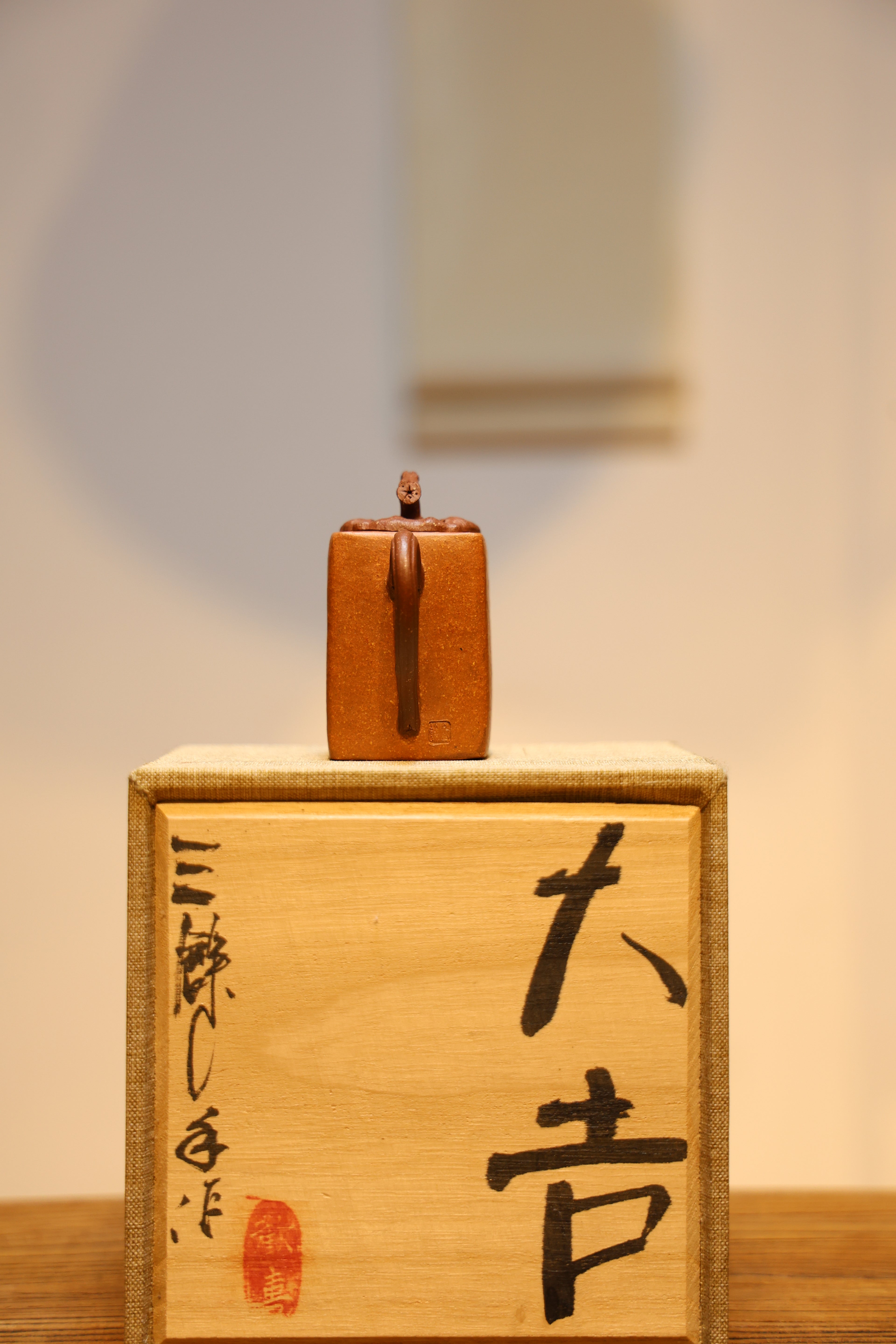
Finding a original Yixing teapot can be a beneficial experience, but the realm is often overrun with imitations. Telling between a authentic antique and a modern reproduction requires scrupulous inspection. Key indicators include the clay's auburn Chinese Teapot shade, often displaying tiger skin marks, and the shortage of modern kiln imprints. The contour should reveal natural grace, reflecting the traditional Yixing approach. Finally, checking the maker's seal is fundamental to verify authenticity against known citations.
- Assess the clay's fabric.
- Look for imperfections, indicative of manual quality.
- Hire an consultant for authentication.
Purchasing Native Teapots: A Thorough Manual to Ceramics Awareness
The realm of Eastern Zisha containers delivers a noteworthy circumstance for discerning enthusiasts. Continuously, the market price of these mastercrafted artifacts is regulated by distinct factors, such as the quality of 紫砂, the artistry of the craftsman, the heritage weight, and, naturally, the prevailing appetite. Apprentices should study on grasping the varied forms of Zisha clay—such as Icy Wave, Hushed Pot, and Blush Clay—and familiarizing the qualities linked to each. Attentive evaluation of the craft's pattern, cast, and imprint is likewise important to make responsible selections when investing.