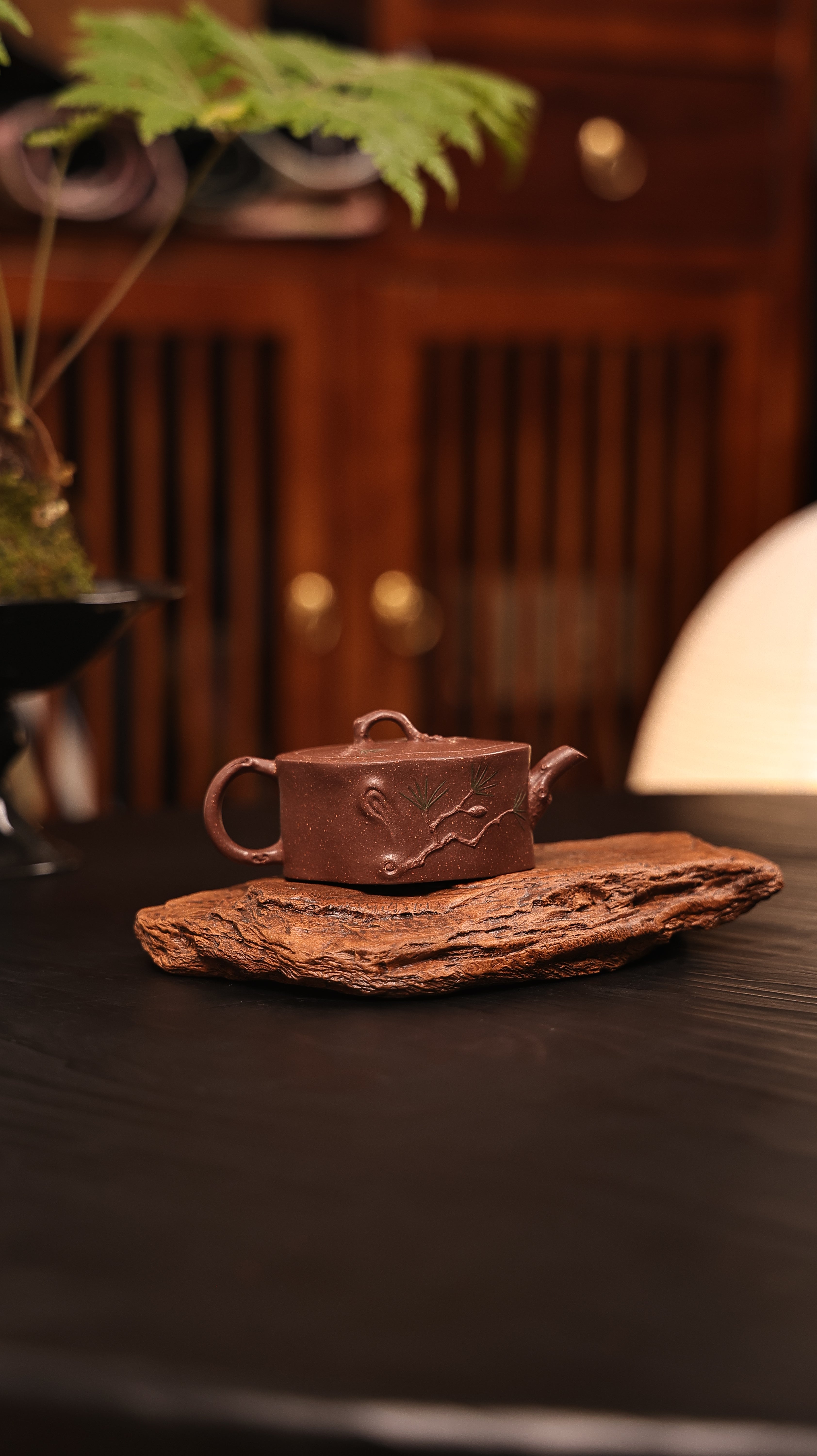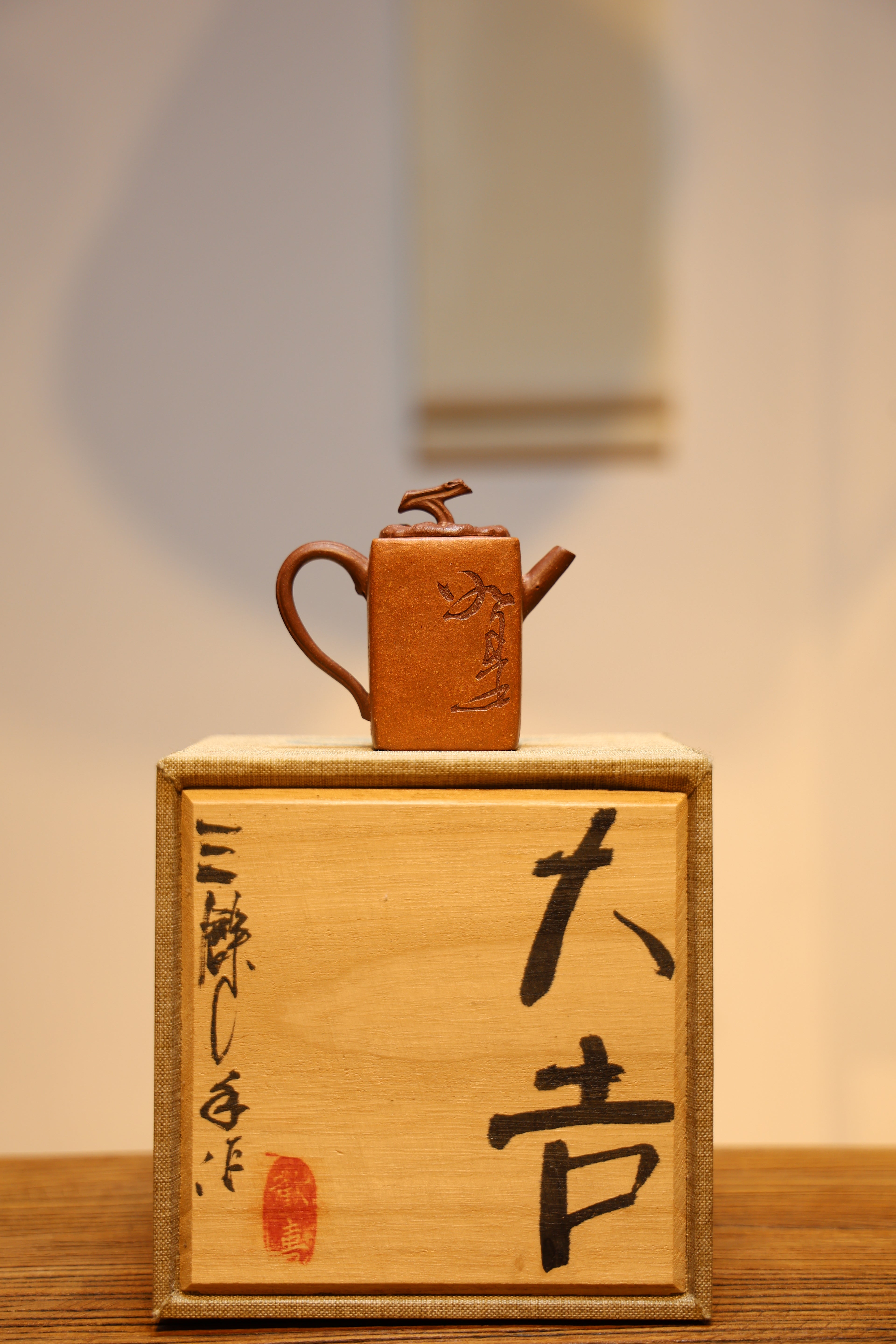
Across age-old chronicles,
During periods, connoisseurs have been enthralled by the distinctive charm of Yixing Zisha containers. Originating from the district of Yixing in Jiangsu, these wares are renowned for their notable beauty, infrequent clay, and essential ability to raise the bouquet of the steeping. The clay's distinctive purple-red hue, combined with the artistic craftsmanship of Yixing's sculptors, creates products that are equally functional crafts and esteemed properties. Possessing a Zisha teapot is more than just specific purchase; it's seizing a rich ethnic heritage.
Grasping Yixing Teapots: Narrative, Forms, and Merit
The renowned Yixing teapots stand as a profound past deeply intertwined with Chinese culture. Stemming in the Yixing region of Jiangsu province, these clay vessels possess a heritage stretching back to the Ming Dynasty. Early examples were functional, but throughout centuries, Yixing teapot forging evolved into an esteemed art form. The clay itself, known for its unique composition and ability to boost the flavor of the tea, stays a defining factor. Yixing teapots exist in various styles, broadly categorized by shape: Typical such Chinese Teapot as Zhuni (purple clay) and Bisheng, as well as exclusive designs. The cost of a Yixing teapot relies on several factors, including the potter’s reputation, the age of the piece, the rarity of the clay, and its aesthetic grace.- Record: Founding era
- Material: Zhuni (purple clay)
- Value Factors: Uniqueness
Zisha Pot Creation: Strategies and Potters
Particular fabrication of a real Zisha teapot is a complex process, requiring extensive times of practice. Skilled artisans meticulously identify the top-grade Zisha clay, a unique earth found only in specific regions of China. Heritage-based techniques, often handed down through families, involve rigorous shaping, gentle carving, and slow firing in ancient calcining chambers. The ultimate teapot isn't merely a object; it's a testament to innovative vision and the deep connection between the creator and their heritage. Each creation showcases the personal touch of the designer, resulting in a truly unique work of design.
A Artefacts: Uncovering the Comprehensive Legacies of Yixing Domain
Renowned Yixing, set in Jiangsu the territory, is broadly renowned for its exceptional vessels – a tangible representation of centuries of Chinese craftsmanship. These aren't merely vessels for preparing tea; they are intricate works of innovation, often reflecting conceptual ideals. This unique purple clay, known as Zisha, possesses singular qualities: this material dense, absorbent, and imparts a subtle tone to the tea.
- Numerous households have honed the techniques of Yixing earthenware making, passing down ancient methods through eras.
- Followers prize these pieces for their elegance and exclusiveness.
- Particular pot tells a legend, connecting the recipient to a rich past.
Purchasing Yixing Zisha: Critical Aspects
Considering exploring acquiring Yixing Zisha ceramics, diverse components demand careful evaluation. First of all, the substance's cast is essential; authentic Zisha typically exhibits a unique earthy tinge. What's more, review the execution; exacting attributes and a clean veneer indicate skillful artistry. Lastly, investigate the potter's background; esteemed names bring increased premiums and often guarantee a better appreciation.
How to Brew Premium Tea with Zisha Clay
Creating sumptuous tea with a Zisha jar is more beyond a simple procedure; it's an mastery. Zisha clay, known for its unique earthen composition, imparts a subtle character to the made tea that’s often deficient with other utensils. The ideal water degree is essential; typically, lower than what's used for black tea, to protect the tea's odor and note. Consider attentively the tea variety; delicate green teas or aged pu-erhs advance from the Zisha’s ability to lessen their original edge. It’s necessary to rinse the teapot earlier than brewing, and to shun over-steeping. Mastering this method leads to a genuinely exceptional tea phenomenon.
- Appreciating Zisha Clay
- Water Warmth & Kind of Tea
- The Importance of Pre-warming
Enhancing Your Celebrated Vessel
Intending to maintain the durability of your prized Yixing jar, routine attention is utterly mandatory. Refrain from using soap; instead, lightly clean it with pleasantly heated moisture. Steer clear of unexpected shifts; refrain lay the urn directly onto a searing surface. Periodically, enrich the clay pot by percolating it with excellent refined infusion, as this improves to improve its quality and preserves the special charm of the element.
Concerning Substance to Vessel: The Development of a Zisha Utensil
A creation of a Zisha teapot is a intriguing approach, a demonstration to both the environment’s bounty and the expertise of the fabricator. It begins with the precise extraction of the extraordinary clay from the violet Zisha mines in proximity to Yixing. This prime material, known for its superior properties, is then patiently refined and configured for the beginning forming. The vessel’s figure is precisely fashioned using a fusion of established wheel throwing processes, often incorporating fancy enhancements. Following curing, the container undergoes a fundamental first firing, consecutively done by a glazing stage, which might involve various layers of genuine Zisha overlays. Finally, a second, and sometimes third, firing at maximum temperatures brings the work, revealing its conclusive beauty and extraordinary characteristics - a veritable masterpiece, primed to grace a tea ritual.
{Yixing Teapots: A Token of the Custom and Tribute
Famous Yixing teapots, originating from the renowned Yixing region of Jiangsu province, are far more than mere vessels for brewing the beverage; they represent a deep aspect of Chinese artistry. Created from distinctive purple clay – zisha – these singular teapots are highly coveted for their ability to elevate the flavor of the tea and, crucially, for their charm. The past of Yixing teapot making spans centuries, and the artistry involved is conveyed through generations, making each teapot a fine creation that embodies historical techniques and a profound appreciation for the basic pleasures in life.