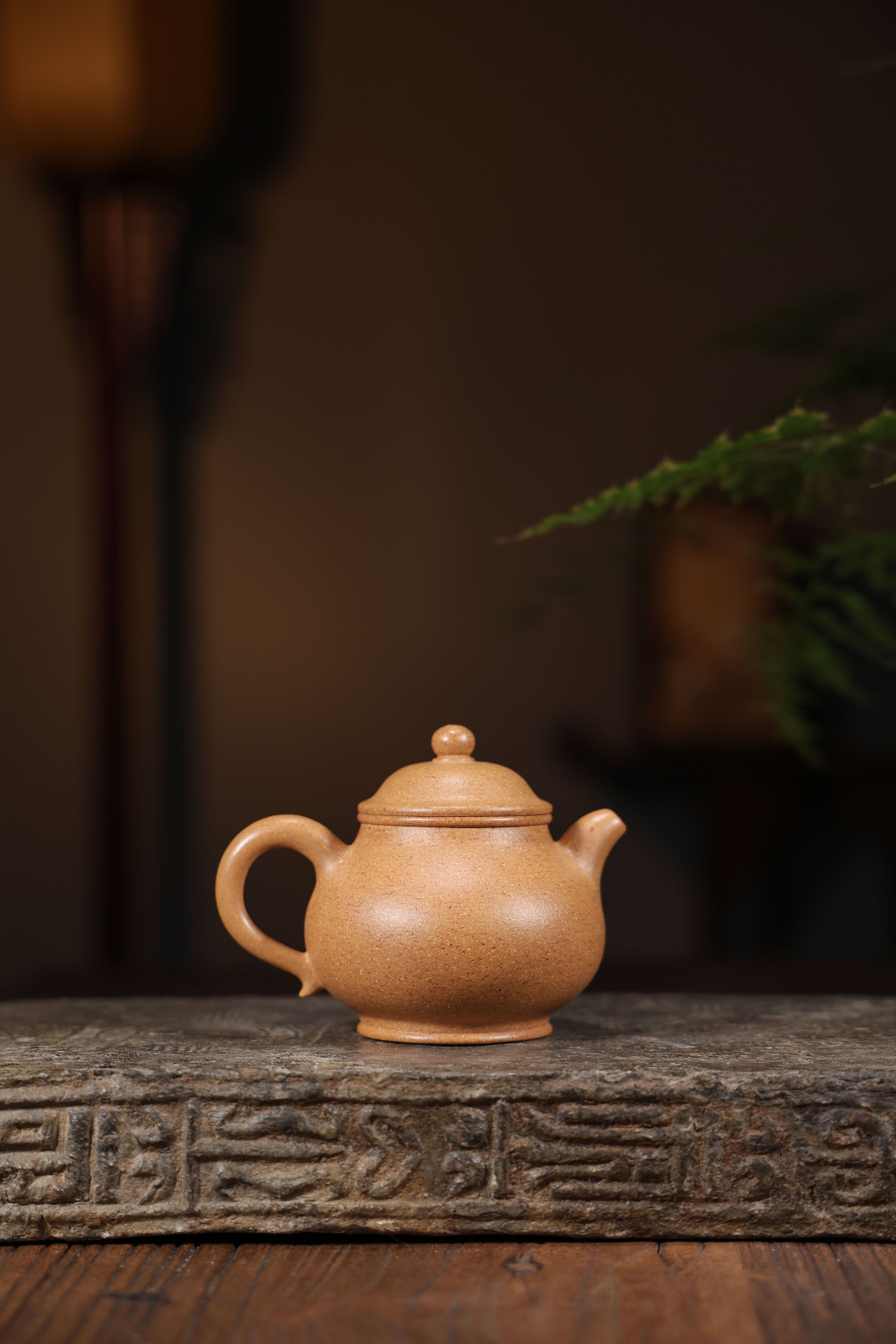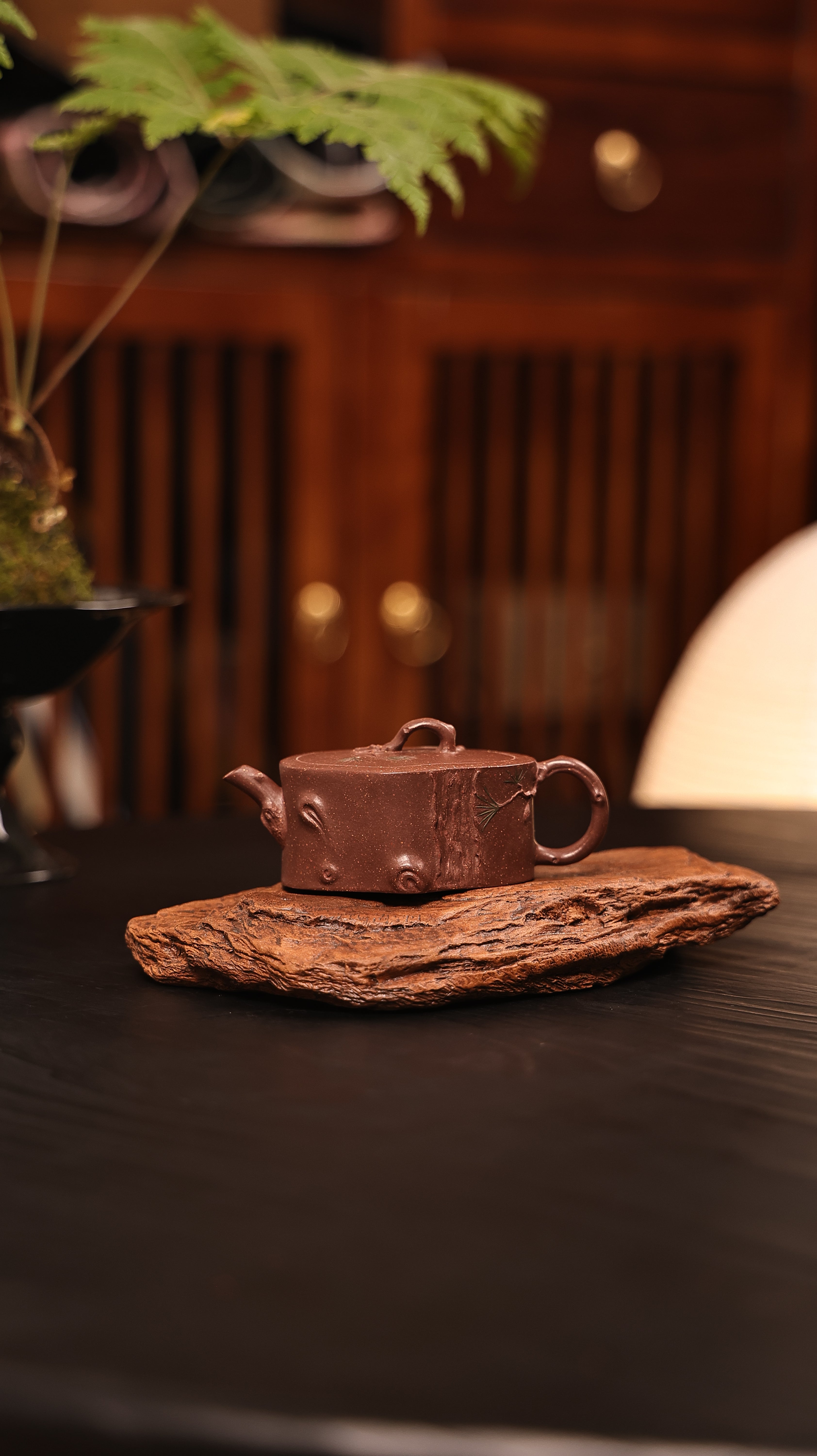
Enduring inheritance expresses Huaihai teapots through ages,
Showcasing original attributes derived across domestic heliotrope clays, the urns compound a layer during consumption, amplifying essence liberated from prepared drinks.
Discovering Yixing Earth: Detailed Insights into Zisha
Many enthusiasts acknowledge the unparalleled fabric of Yixing lavender clay, a base of time-honored Chinese ceramics. Originating from the Yixing region of Jiangsu province, this valuable clay presents an elaborate mineral structure, that bestows excellent qualities to the produced vessels. Variants within Zisha, including Ni Mud, Duan Ni Mud, and Jiang Xi Mud, each possesses different colors, structures, and drying traits, impacting the porosity and the peak note growth of the tea.
Mandarin Container Traditions: Interpreting Technique
Asian teapots embody above mere holders for concoction; they exemplify centuries of traditional mastery. From the celebrated Yixing clay variations, respected for their permeable nature which delivers exclusive notes to the infusion, to the delicate porcelain from Jingdezhen, each piece unfolds a tale of artistry. The fabrication process is an involved mission, often passed down through houses of artisans. These artists use ancient strategies such as hand-building, molding on wheels, and refining, demonstrating profound reverence for the substance and the skill itself. Ponder the attention invested in each piece as a symbol of Chinese pottery legacy.
- Jiangsu pots: a distinguished selection.
- Elite ceramic teapots: celebrated for their lightweight design.
- Crafting techniques: a laborious yet profitable procedure.
Eastern Clay Urn Preservation: Conserving Your Treasure
Appropriate tending of your precious Yixing Zisha urn is paramount to preserving its aesthetic. Crafted from exclusive purple sand clay, these outstanding teapots acquire a deep patina after handling, markedly boosting their allure. Shun soaps; a delicate rinse with lukewarm fluid is capable. Never scalding water for scrubbing the teapot, as it may break down its structure. Allow it to dry naturally away from strong daylight. Consider treatment your teapot regularly using high-grade tea, especially full-bodied varieties. Here is a brief overview:
- Swill with comfortably warm water.
- Refrain from cleaners.
- Enable it to become free of moisture.
- Familiarize with select tea.
Roots of Yixing Teapots: Initial Phases
The saga of Yixing teapots arises fundamentally during the Jin dynasty, around the 16th century. Initially, these vessels were not the valued collectibles they are recognized as today. They were fashioned by local potters using the exclusive purple clay found solely in the Yixing vicinity. These early concoctions were essentially utilitarian, fashioned for habitual performance and often unpretentious in layout. It was not until the next dynasty that they initiated to earn status beyond mere utility wares.
Selecting the Fitting Native Kettle: A Initial Primer
Delving the world of Yixing teapots can be difficult, but eschew resisting! For starters, the most important factor is understanding the clay. Validated Yixing clay is prized for its transparency, allowing the teapot to hold the tea's aroma over time, improving every creating session. Ponder the design; traditional round shapes prevail, yet personal preferences determine. Lastly, analyze the polish—while some favor an natural appearance, others enjoy a nuanced gloss. Take your time in the acquisition process—this is an acquisition in a appreciated piece of creation.
Eastern Clay Vessels and Their Importance on Chinese Infusion Culture
Zisha urns, derived from Yixing, China, have profoundly shaped customary Chinese drink culture. The Yixing clay teapots, prized for their singular color, pattern, and exceptional ability to impart a subtle aroma to the potion, function as more than mere vessels; they are cherished masterpieces and symbols of eminence. The very process of preparing and serving concoction using a Zisha teapot is steeped in meaning, elevating the experience beyond simple refreshment. Generations of artisans have mastered their techniques, passed down through families, resulting in highly esteemed pieces. Therefore, Zisha teapots are frequently accumulated, playing a crucial part in cultivating local appreciation for aesthetics and the ceremony of beverage ceremonies.
- Peculiar Clay Composition
- Imparting Subtle Flavor
- Exquisite Craftsmanship
Identifying Certified Rare Traditional Pieces
Buying a verified Yixing teapot can be a pleasurable experience, but the sector is often saturated with counterfeits. Detecting between a legitimate antique and a up-to-date reproduction requires thorough inspection. Key markers include the clay's auburn shade, often displaying tiger skin marks, and the shortage of modern firing imprints. The contour should reveal natural elegance, reflecting the traditional Yixing approach. Finally, reviewing the potter's stamp is fundamental to verify certainty against published archives.
- Assess the clay's surface.
- Look for flaws, indicative of artisan quality.
- Request an advisor for verification.
Considering Purple Kettles: A Comprehensive Handbook to Clay Ware Review
The industry of Yixing Zisha wares affords a special option for shrewd enthusiastic followers. More and more, the price of these traditional artifacts is guided by diverse components, such as the standard of composition, the dexterity of the builder, the historical significance, and, Chinese Teapot naturally, the current trade. Newcomers should focus on exploring the multiple classes of Zisha clay—such as Frosted Water, Peaceful Container, and Ruby Mud—and exploring the aspects linked to each. Precise analysis of the earthenware's figure, shade, and stamp is likewise necessary to make responsible selections when investing.