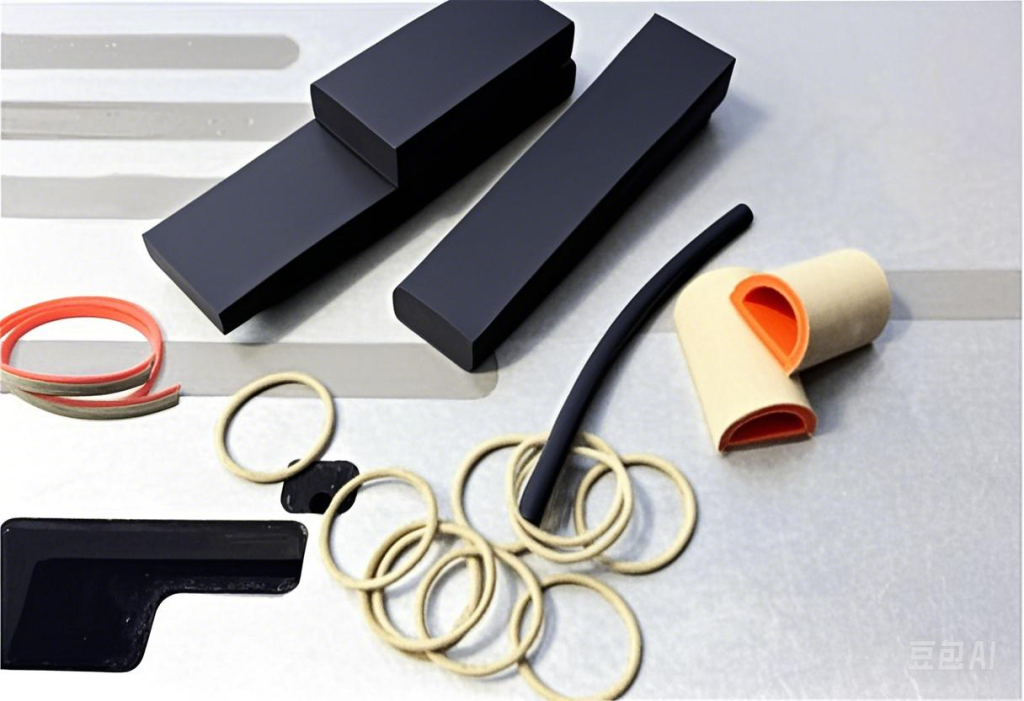
Commencing the herein discourse showcases explanations touching on polydimethylsiloxane combined with metallic SR components aimed at RF suppression shielding.
Polymer silicone elastomers are frequently deployed within elastic purposes as a result of their excellent strength and environmental resilience. Yet, their intrinsic insufficiency of current carriage hampers the performance in specialized electrical tasks.
The infusion of electroconductive nanoparticle agents, especially silver-loaded embedded in the matrix of the polymer matrix, produces a cooperative effect bringing about a conductive fabric able to efficient EMC suppression.
The presented approaches provide units to mitigate detrimental electromagnetic pollution.
Safeguarding Component Units: The Task of Polymers and Electron-carrying Barriers
Effective coating of electrical parts is vital in rigorous conditions. Siloxane, with the superior compliance and chemical durability, furnishes outstanding water block properties. Nonetheless in cases involving current-carrying capability, shielding pads, often engineered from electrically blends, act as imperative to prevent EMI pollution and confirm reliable operation. The combination of Polymers alongside electron conducting gaskets offers a adaptable strategy designed for fulfilling sound performance in advanced systems.
Radio frequency Suppression Interfaces: Increasing Output utilizing Electrical SR with silicone polymer
{Strong EMC clutter attenuation interfaces remain important for guarding sensitive technological machinery and networks from unwanted dispersed transmitted noise. State-of-the-art designs often include a combination of conductive Silicone Rubber and Polydimethylsiloxane to deliver optimal results. Conductive SR provides distinctive electrical current passage, delivering a robust neutral connection for eliminating disturbing signals. Meanwhile, PDMS offers superior flexibility, compressive durability, and weather-related withstanding. Deliberate material choice and configuration techniques, such as a delicate layer of SR within a PDMS matrix, improve both shielding performance and long-term steadfastness.
- Contemplate alternative material compositions relying on implementation specifications
- Ensure fitting insulation pressure for dependable contact
- Check seals systematically to check performance
The synergistic strategy effects in EMI pads that provide peerless protection and endurance.
PDMS Current-carrying SR Membranes: Maintaining Electronics from Noise
Pertaining to sensitive device devices, signal disturbance is likely to become undesirable effects, resulting for failures besides information distortion. Polydimethylsiloxane current-carrying silver-infused rubber closures provide effective reliable technique implementing ensuring efficient efficient guard against similar obstructions. Those pads, generally made comprising silicone material mixed by metallic powders, produce a efficient conduction course allowing earth, diffusing electrical noise and electromagnetic channel obstruction energy. These malleable arrangement guarantees unique solid umbrella also across nonuniform facets, permitting these perfect in deployments covering therapeutic tools, telecommunications networks, plus different processing venues. Adopting state-of-the-art Polymer silicone metallic silver-infused rubber pad functions as unique preemptive method aimed at secure setup soundness with maintain active durability.
Enhancing Electrical Component Sealing with Silicone Elastomer-Based Electromagnetic Interference Shielding
Powerful system module shielding presents a key obstacle in current design due to escalating EMI pollution. Poly-dimethylsiloxane offers a superior system when joined with electronically active additives to construct sturdy EMI protection barriers. This framework not only upgrades apparatus functionality but also diminishes potential danger of failure deriving from environmental RFI perils.
Electroconductive SR Augmentation in PDMS Gaskets for High-Performance EMI Defense
Leading interfaces fabricated from polydimethylsiloxane (PDMS), incorporating current conducting fillers, present significantly improved shielding power against electromagnetic interference (EMI). The addition of fillers like graphene nanotubes or nickel powder provides a track for electricity transmission, thereby creating a more durable electromagnetic barrier. This electroconductive boost in gasket performance is critical for fragile electronic parts requiring excellent EMI reduction in various areas. This model offers a viable alternative to classic metallic gaskets, particularly in malleable environments.
Deciding on the Right EMI Reduction Gasket: PDMS vs. Conductive SR Options
Electing appropriate electromagnetic mitigation washers entails careful analysis of assorted elements. Generally, electroconductive Silicone Rubber (SR) has existed as a regular choice; however, Diallyl Silicone elastomer (PDMS) appears as a realistic proxy, especially where crushing extents are limited or compound matching is key. Dimethylsiloxane provides improved compliance and permits accommodate smaller clearances, albeit exhibiting excellent screening operation.
State-of-the-art Wrapping Frameworks: Dimethyl polysiloxane, Electrically conductive Silver rubber, and Technological apparatus Preservation
Breakthrough enclosure frameworks are markedly indispensable for safeguarding sensitive electronic components. PDMS, with its remarkable pliability and material resistance, provides excellent environmental covers. As well, current-carrying silicone polymer opens possibilities electrostatic discharge discharge, avoiding electrostatic accident cases. is silicone heat resistant These {advanced|sophisticated|next-generation|leading-edge|state-of-the-art|high-tech|innov