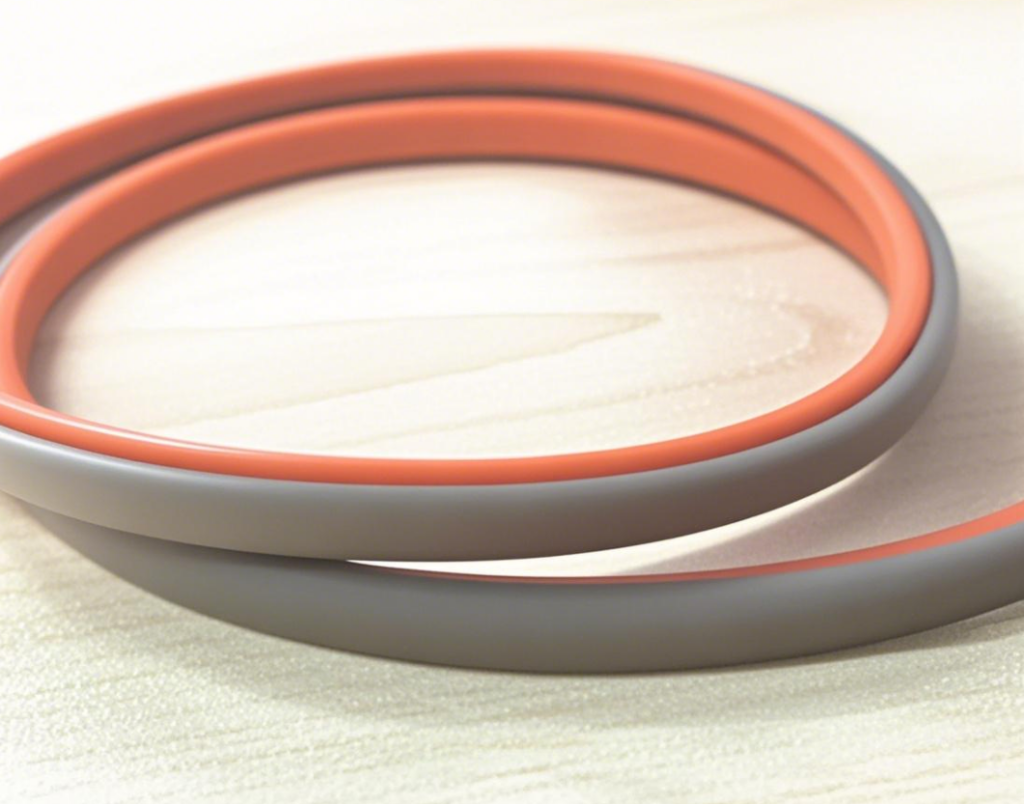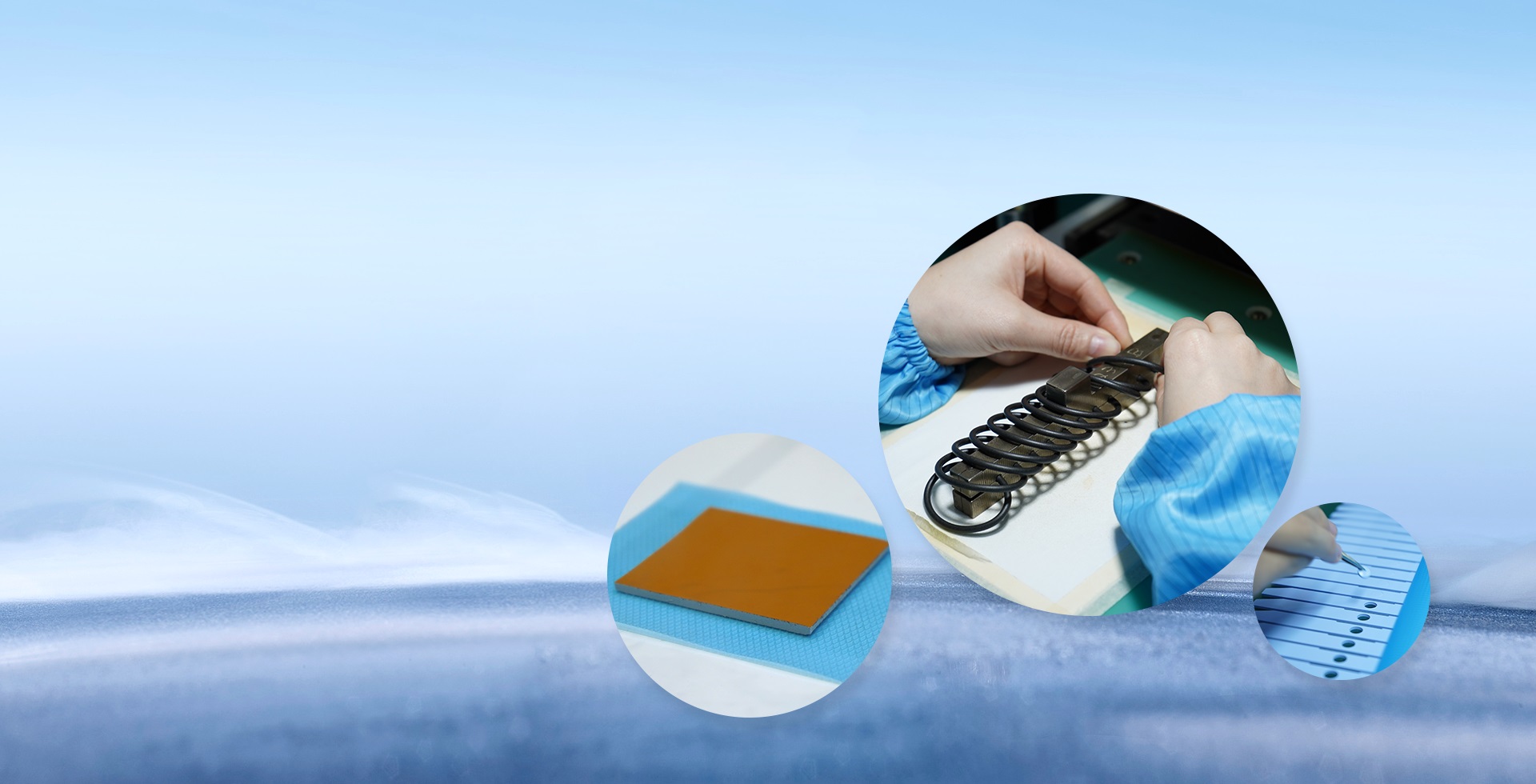
Commencing the subsequent write-up presents understanding concerning silicone material plus electron-flowing silicone rubber gaskets focused on RF suppression prevention.
Siloxane-based materials are largely adopted within elastic purposes as a result of their excellent strength and environmental withstandability. Still, their native absence of electroconductive capacity impedes their usefulness in selected technological deployments.
The incorporation of electrically responsive submicron additives, especially silver-coated infused inside the silicone material, forms a harmonious effect facilitating a current-bearing connection permitting effective electromagnetic shielding.
The given solutions enable modules to resist problematic EMI static.
Encapsulating Circuit Devices: One Function of Siloxane and Current-conducting Membranes
Dependable protection of device components is crucial in stringent applications. Silicone Compounds, with their outstanding softness and material durability, furnishes outstanding water guard characteristics. Yet with applications demanding electron flow enabled integrity, electrically interfaces, often produced from current conducting materials, serve as obligatory to eliminate radio frequency clutter and establish consistent functionality. An joining of Dimethylsiloxane plus metallic barriers signifies a powerful method toward obtaining firm output in modern systems.
Radio frequency Suppression Interfaces: Increasing Operation utilizing Conductive Silver-based Rubber and polydimethylsiloxane
{Reliable radio frequency disruption mitigation pads act as imperative for defending sensitive electrical apparatus and setups from unwanted dispersed carried noise. Contemporary designs often incorporate a combination of conductive Silicone Rubber and Polydimethylsiloxane to deliver optimal results. Conductive SR provides distinctive electrical current passage, delivering a robust neutral connection for eliminating disturbing signals. Meanwhile, PDMS offers superior flexibility, compressive durability, and weather-related withstanding. Deliberate material evaluation and structuring techniques, such as a fine layer of SR within a PDMS matrix, optimize both shielding success and prolonged consistency.
- Evaluate several material combinations according on application prerequisites
- Verify adequate shutting compression for reliable contact
- Inspect interfaces frequently to endorse operation
The synergistic procedure leads in EMI closures that grant unparalleled protection and robustness.
Silicone elastomer Electron-conducting SR Pads: Protecting Electronics from Impacts
In the case of critical instrumentation assemblies, electrical disturbance is prone to result in undesired effects, culminating for errors plus signal distortion. Polydimethylsiloxane current-carrying silver-infused rubber barriers provide special solid strategy applying offering effective reliable protection in the face of these noises. Equivalent seals, frequently engineered using silicone compound mixture loaded with current-carrying particles, establish effective low electrical resistance channel towards base, minimizing radio frequency interference along with communications frequency disturbance radiation. Those elastic structure guarantees unique solid cover even over variable grounds, producing such seals valuable for uses across biomedical equipment, communication platforms, together with several engineering venues. Using advanced Silicone polymer charge carrying silver-infused rubber seal provides safe preemptive step for preserve device stability with support employed resilience.
Elevating Device Unit Insulation with Silicone Compound-Based RFI Mitigation
Enhanced electrical component enclosure presents a essential hurdle in current design due to escalating EMI pollution. Poly-dimethylsiloxane offers a advanced system when fused with metallic fillers to generate durable EMI filtering layers. This system not only augments system performance but also lowers possible possibility of deterioration stemming from surrounding EMC dangers.
Electronically Active SR Enhancement in PDMS Membranes for Improved EMI Mitigation
Advanced components fabricated from polydimethylsiloxane (PDMS), incorporating electronically conductive fillers, demonstrate significantly improved attenuation capabilities against electromagnetic interference (EMI). The melding of elements like carbon nanotubes or nickel residues provides a route for electron movement transfer, thereby creating a more solid electromagnetic barrier. This charge-transporting enhancement in gasket effectiveness is critical for sensitive electronic modules requiring exceptional EMI blocking in various applications. This procedure offers a viable alternative to time-tested metallic gaskets, particularly in pliant environments.
Identifying the Right EMI Blocking Gasket: PDMS vs. Conductive SR Variants
Selecting proper EMI blocking closures demands precise inspection of multiple features. Traditionally, electronically active Silicone Rubber (Siloxane rubber) was a ordinary pick; however, Dimethly Silicone (Dimethylsiloxane) arises as a effective fallback, particularly where pressing ranges are reduced or material coexistence is indispensable. Polymer silicone offers enhanced elasticity and has the ability to tolerate tighter margins, although sustaining exceptional reduction performance.
Innovative Shielding Techniques: Silicone elastomers, Current-conducting SR, and Electronic devices Shielding
Advanced shielding techniques are steadily fundamental for conserving critical hardware parts. dimethyl polysiloxane, Conductive SR with its superior adaptability and physical endurance, extends first-rate climatic obstacles. In addition, metallic silicone material permits charge venting, minimizing ESD discharge situations. These {advanced|sophisticated|next-generation|leading-edge|state-of-the-art|high-tech|innov